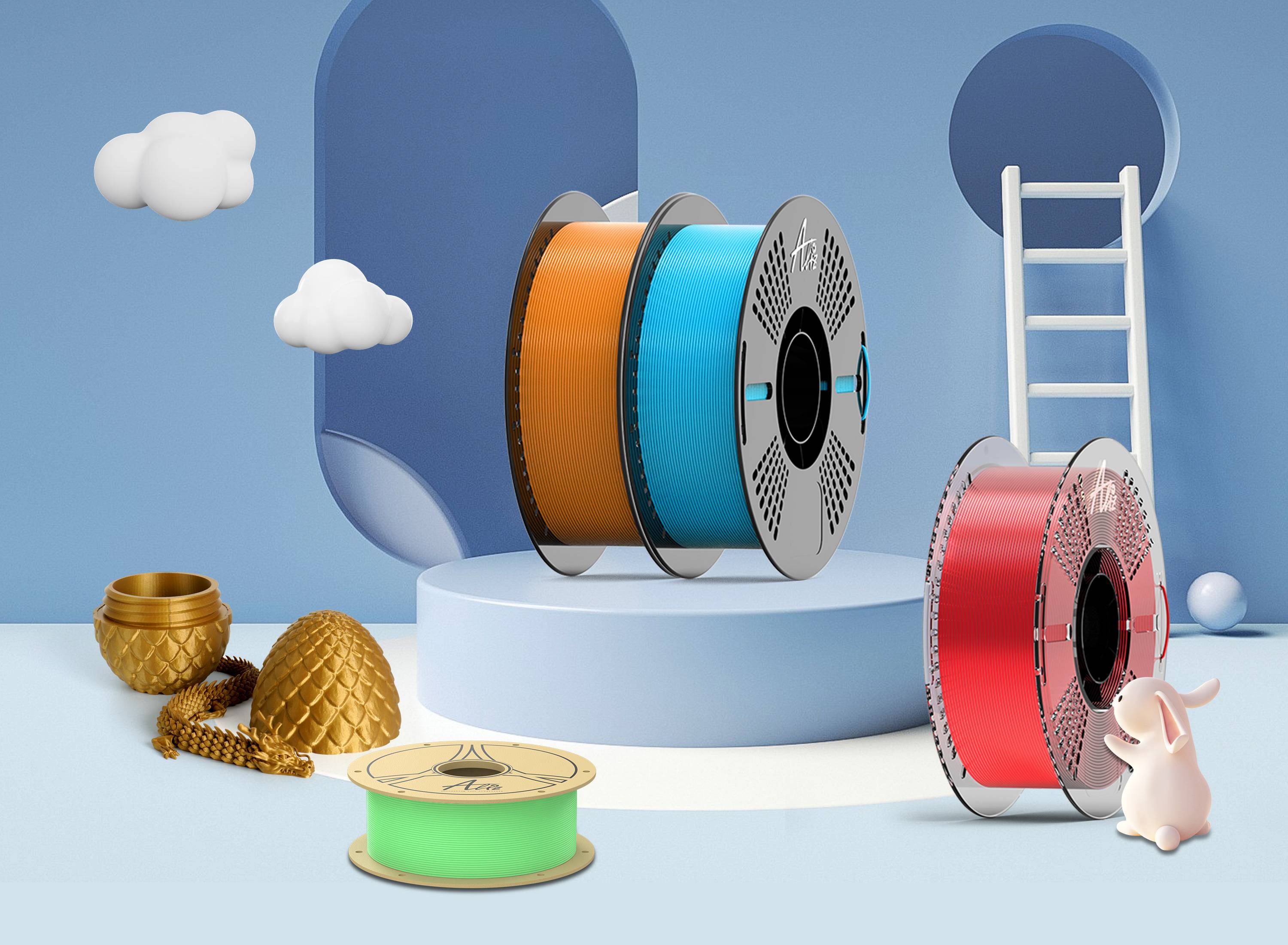
PETG HF

Key Features

*Support High Speed Printing
*Good Toughness
*Impact-resistant
*Good Interlayer Adhesion
*High Color Saturation
*Easy To Print

Dimensions:1.75mm/2.85mm

Weight of each roll:1kg/3kg

Color Options

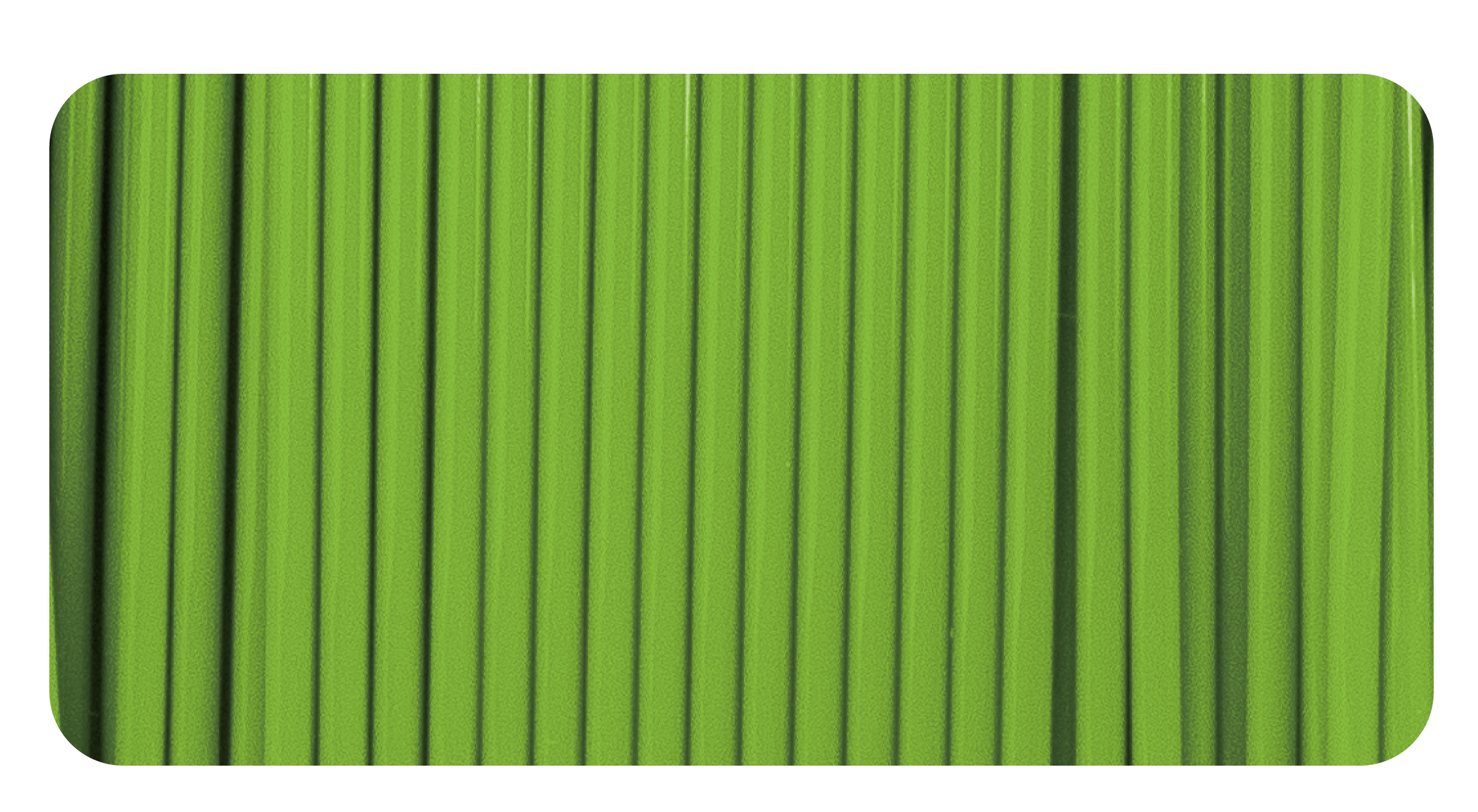
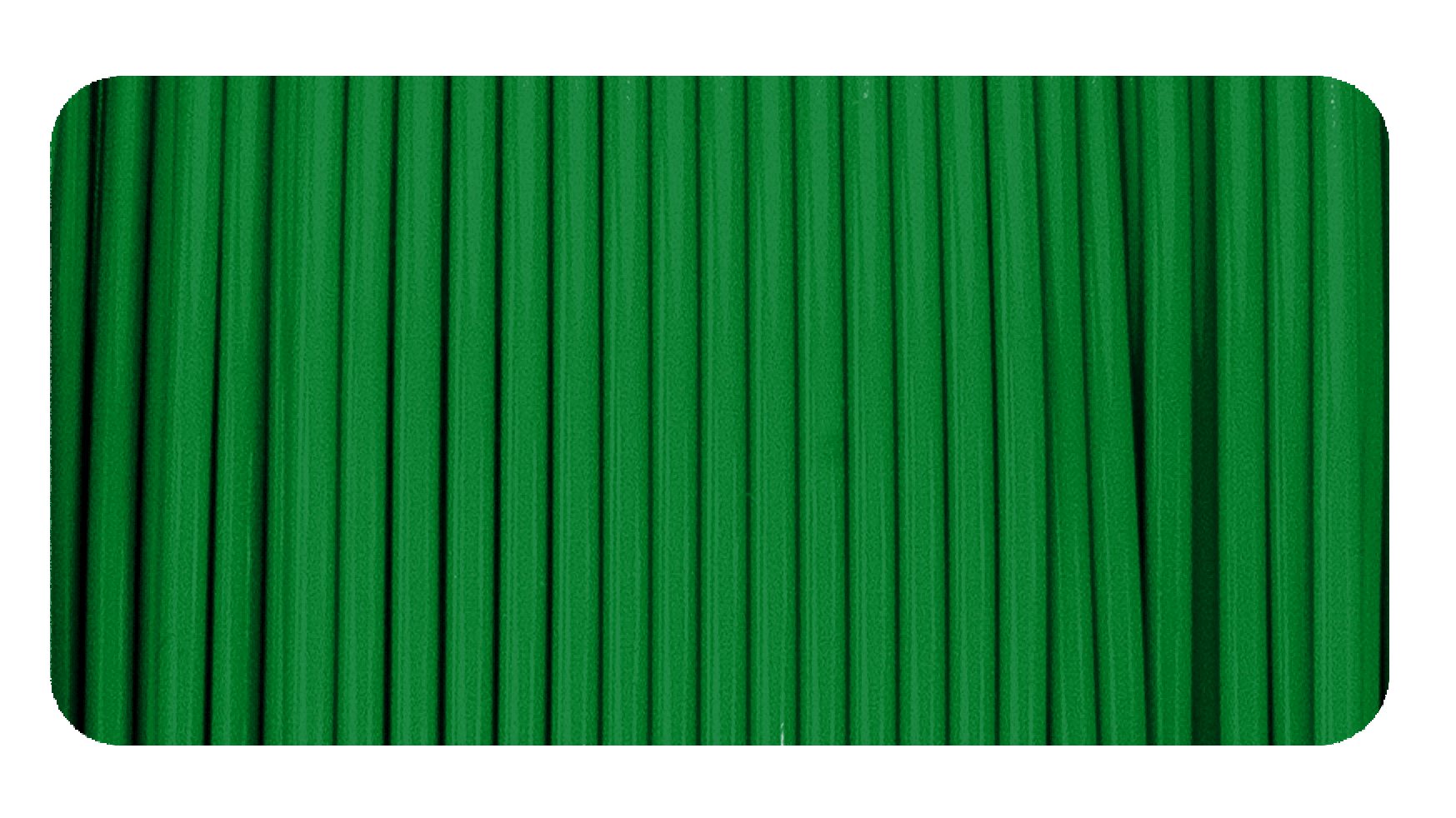
Green Green
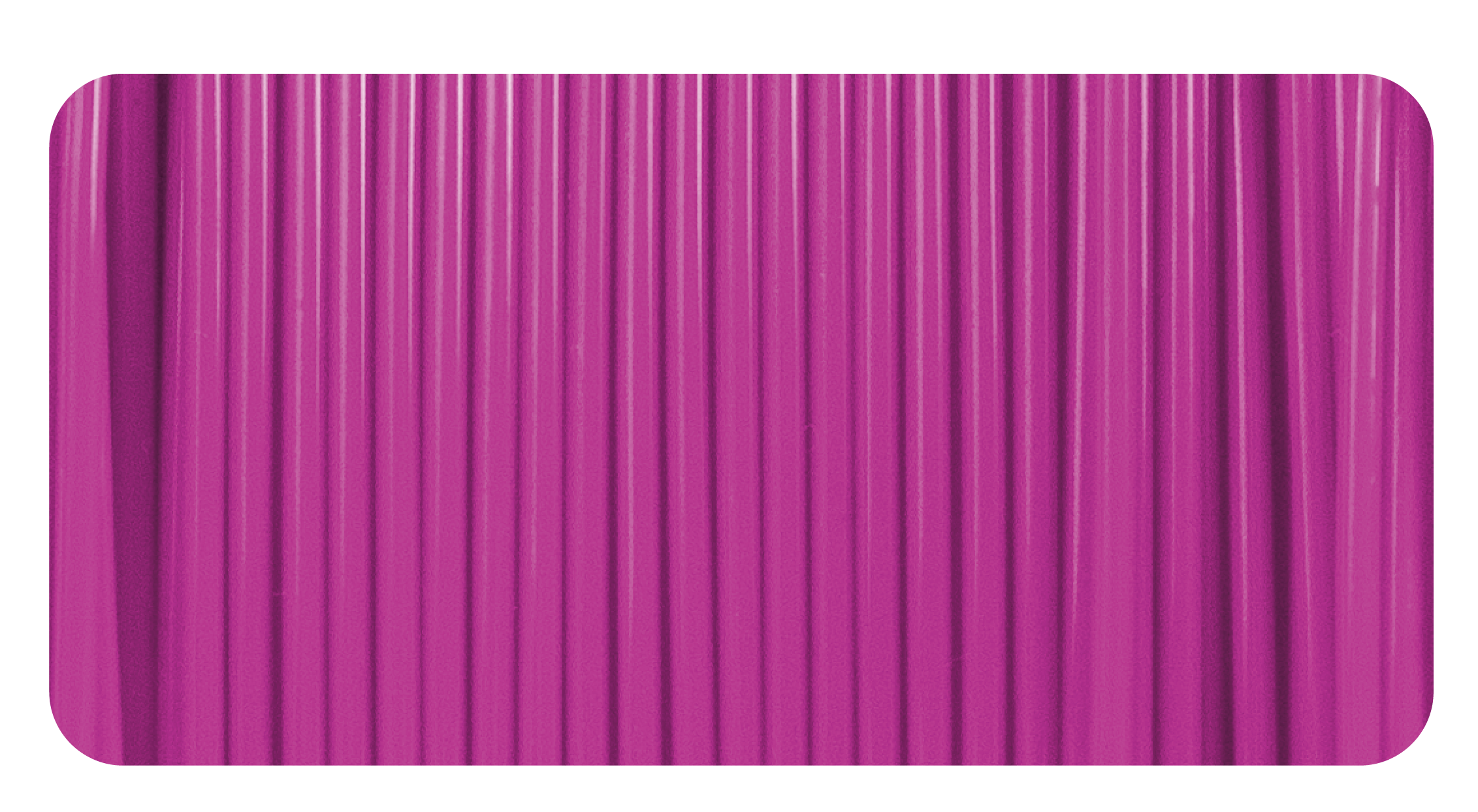
Magenta Magenta
Violet Violet
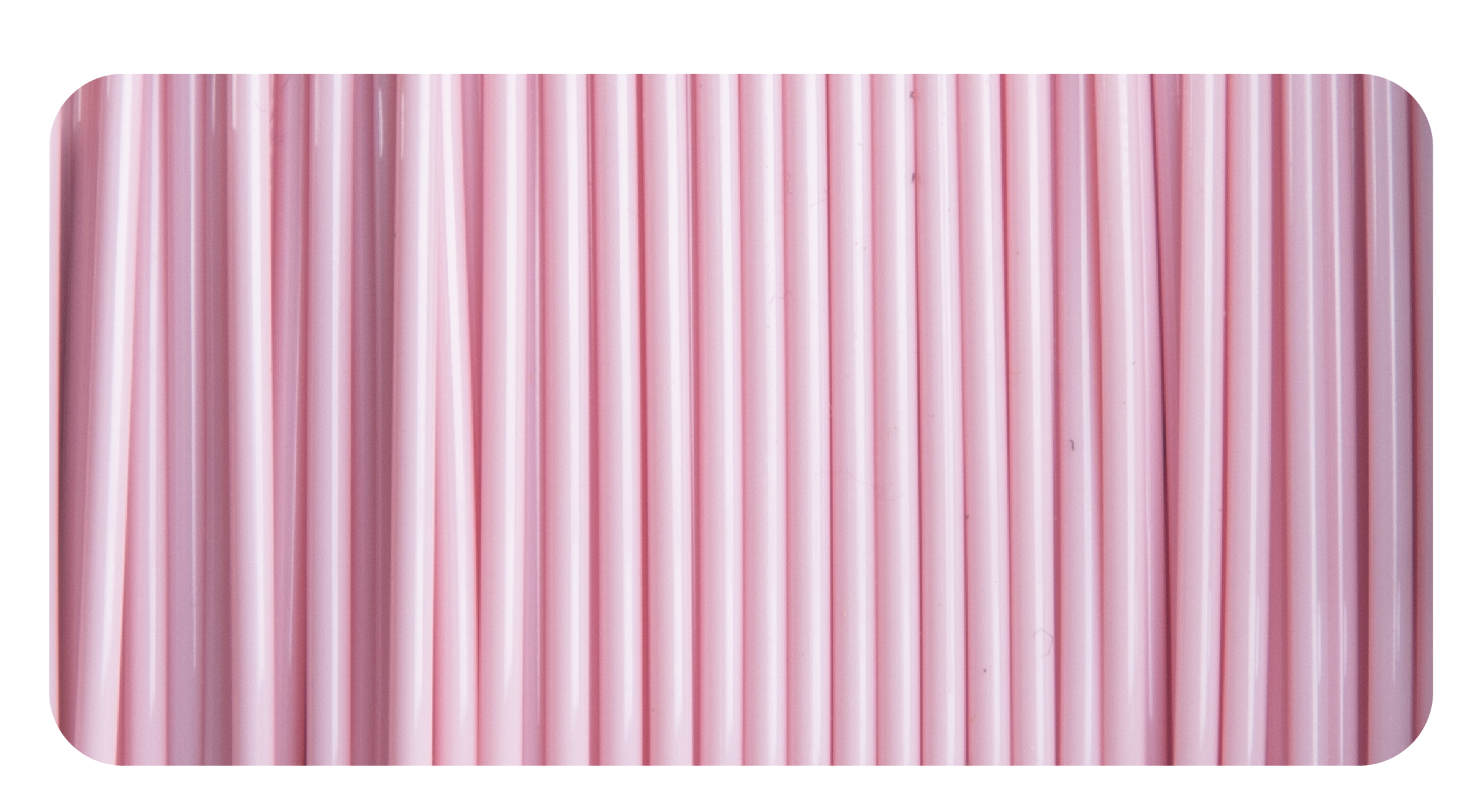
Cherry Blossom Pink Cherry Blossom Pink
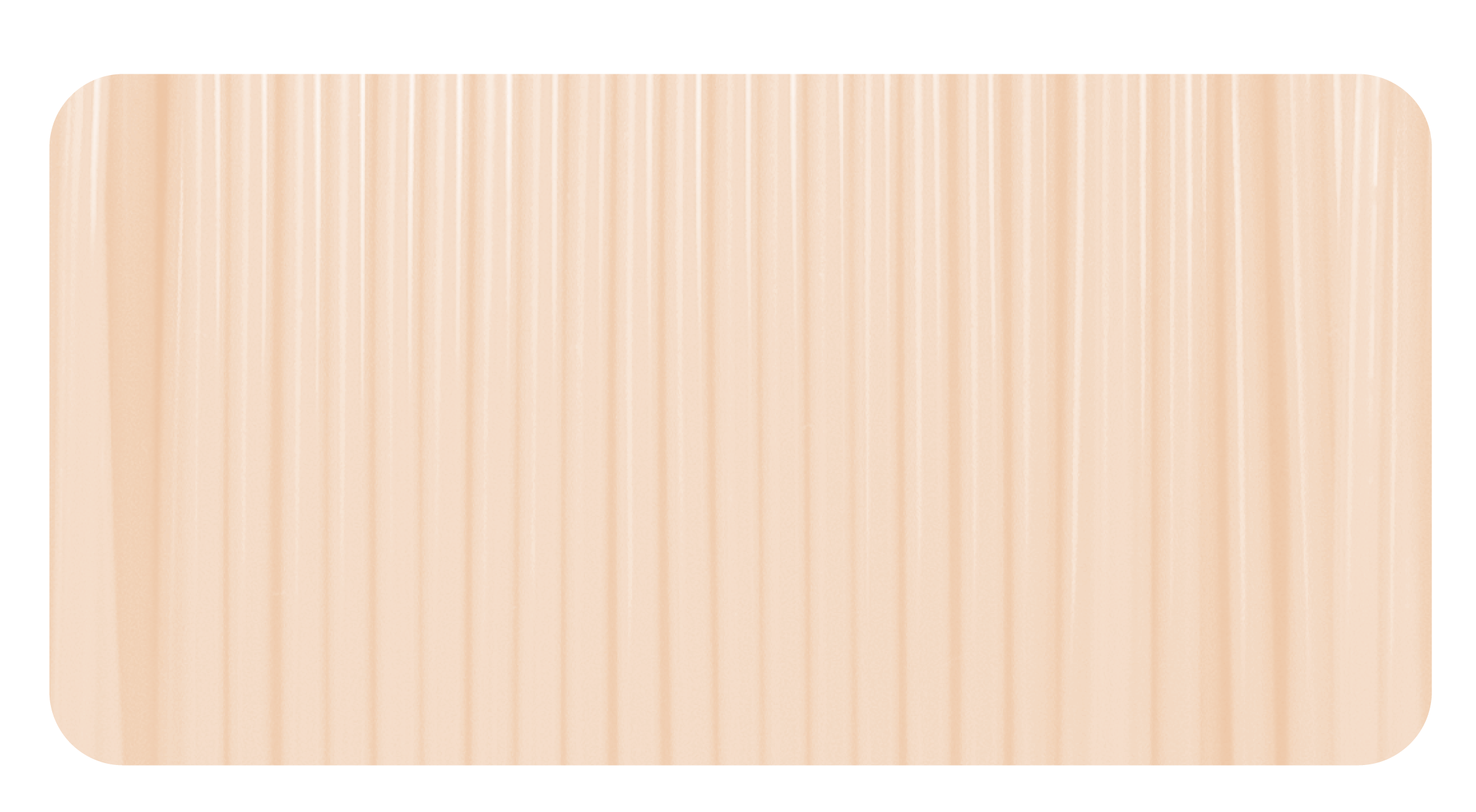
Skin Color Skin Color
Lemon Green Lemon Green
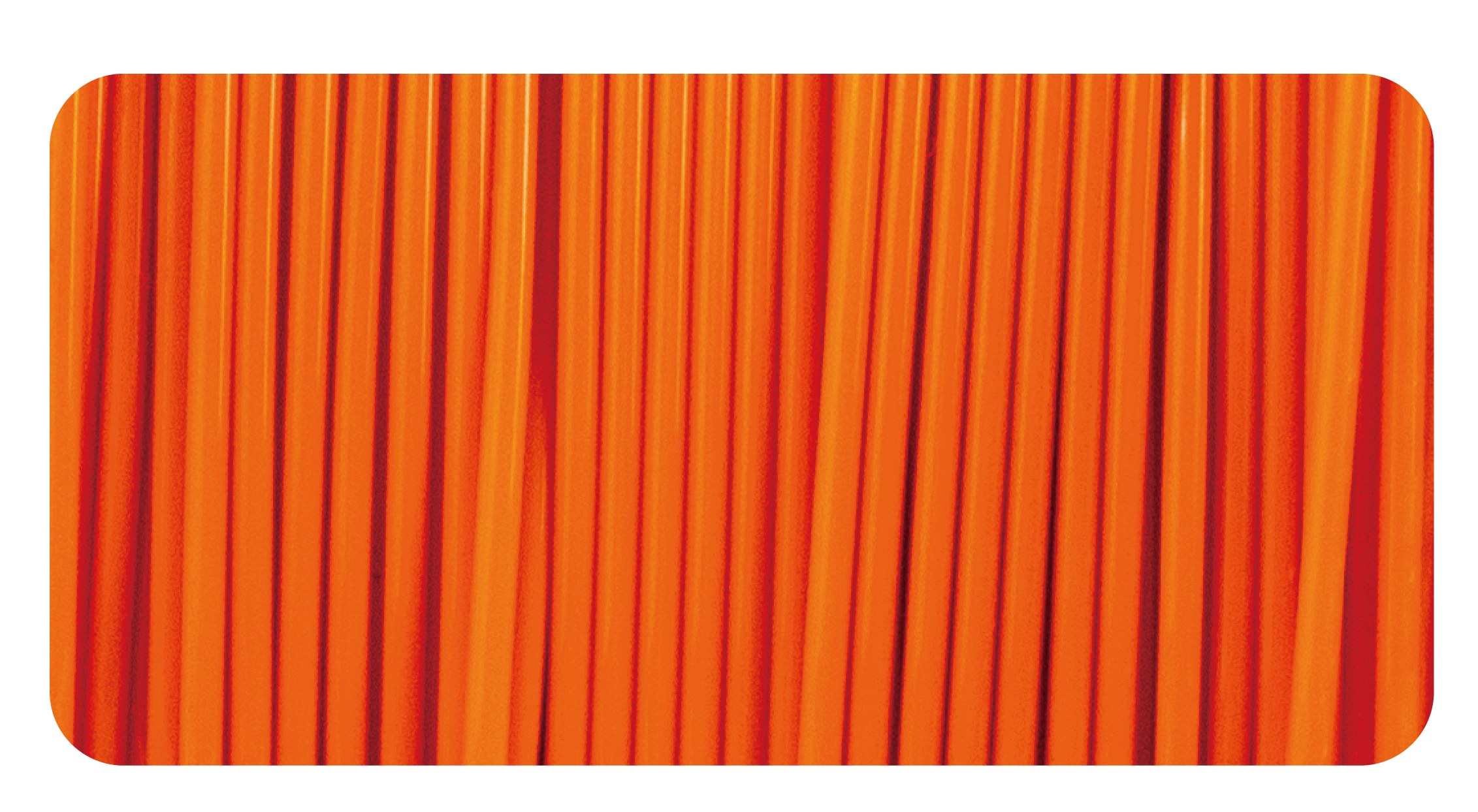
Orange Orange
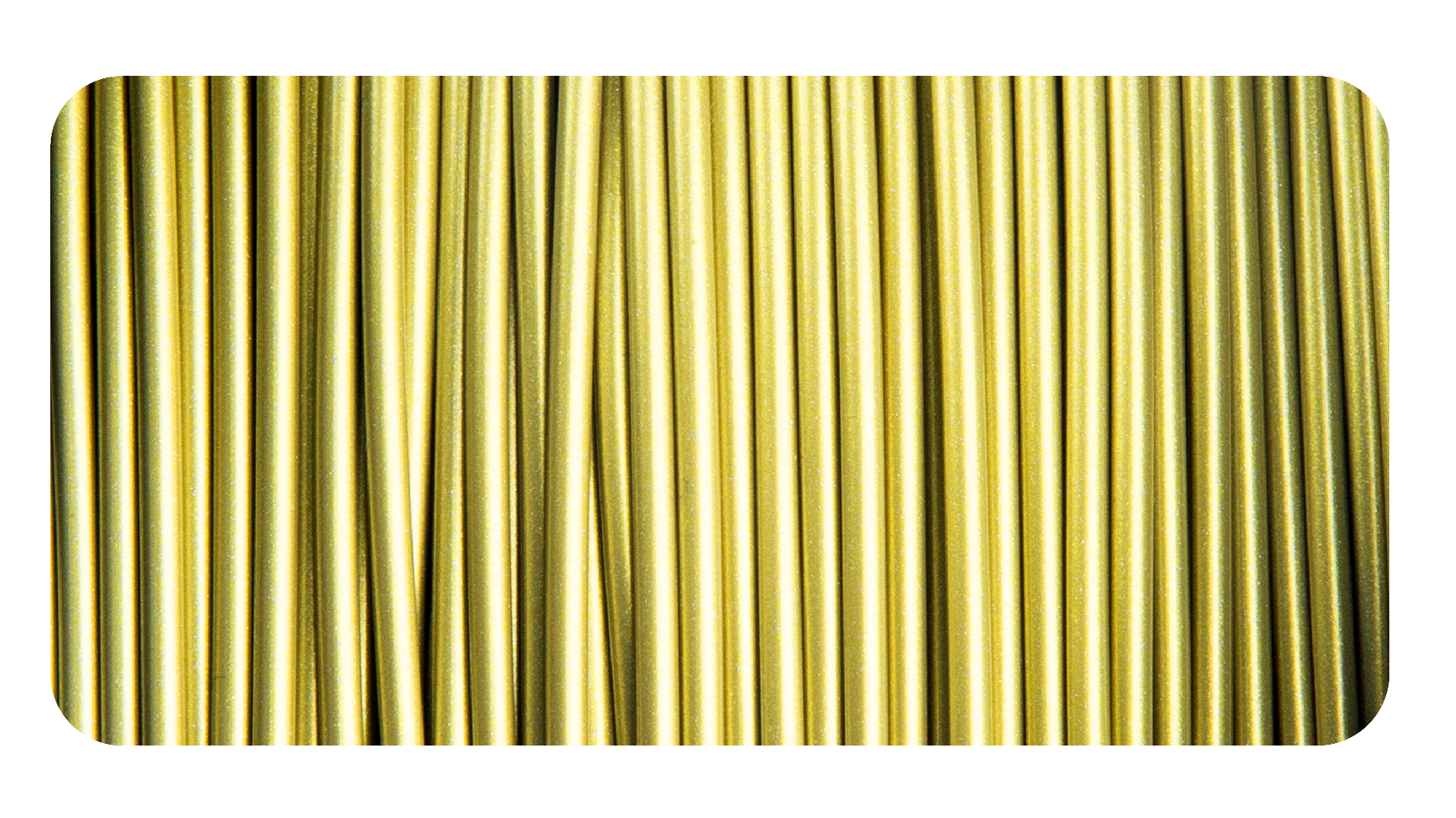
Brass Brass
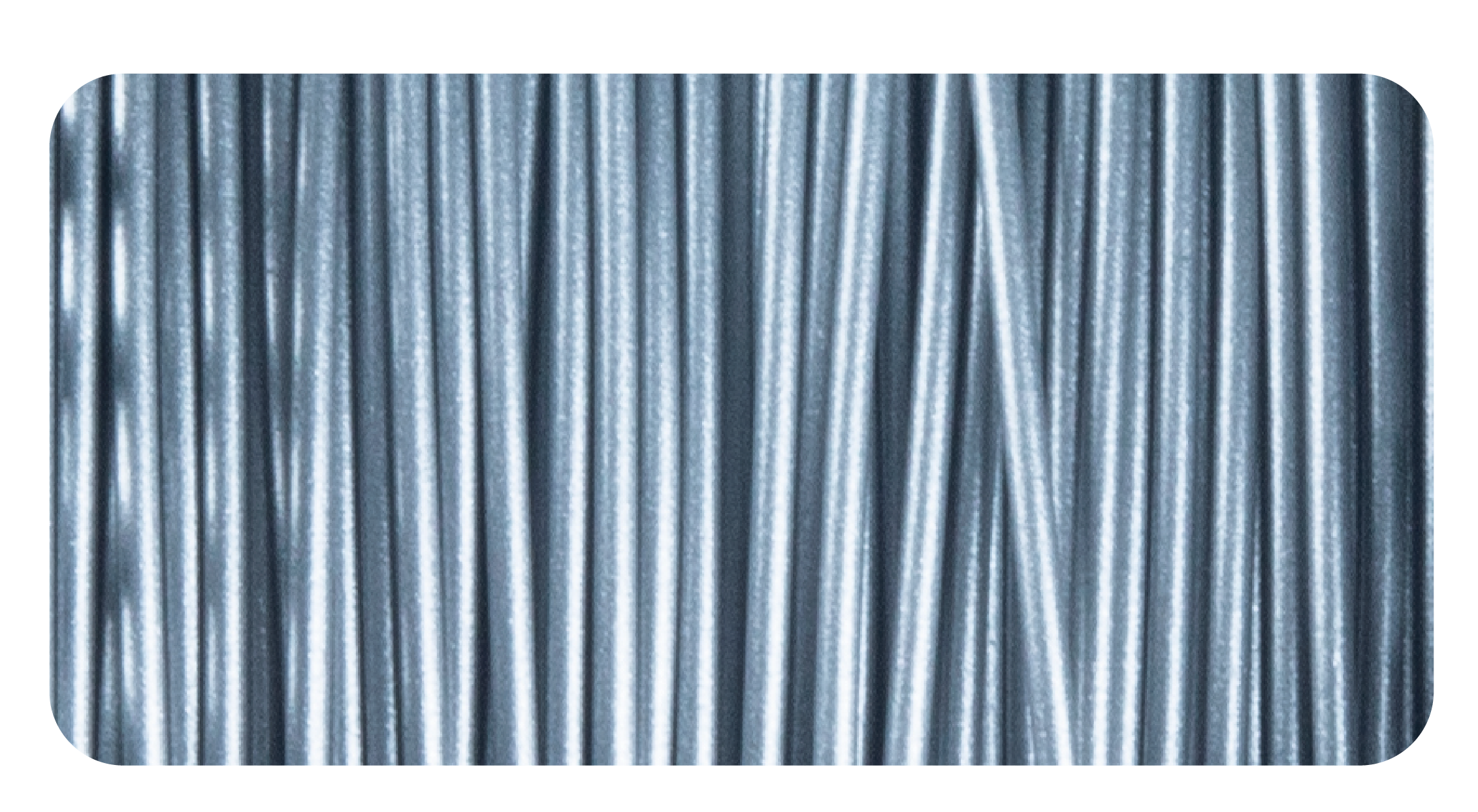
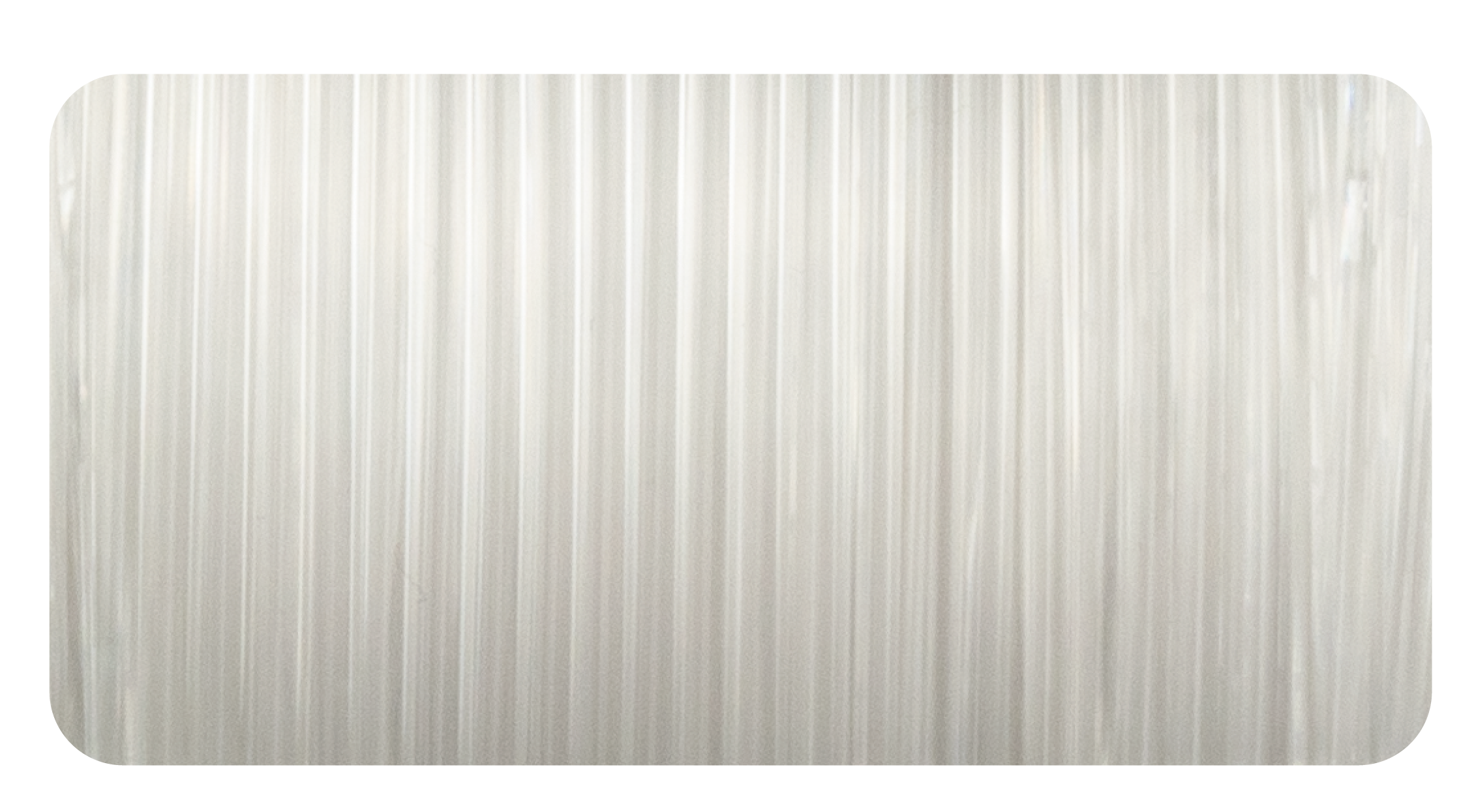
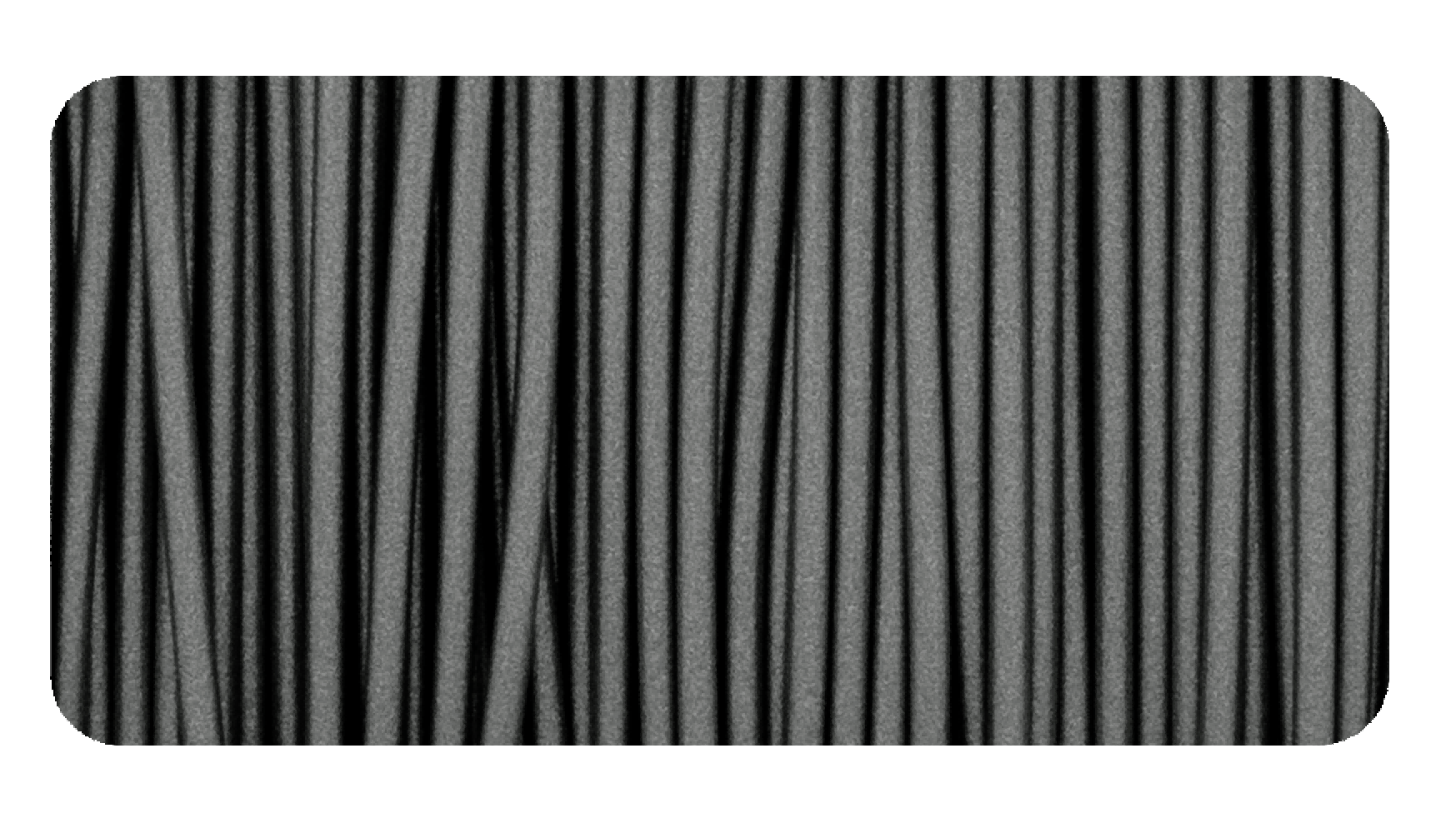
Glitter Silver Glitter Silver
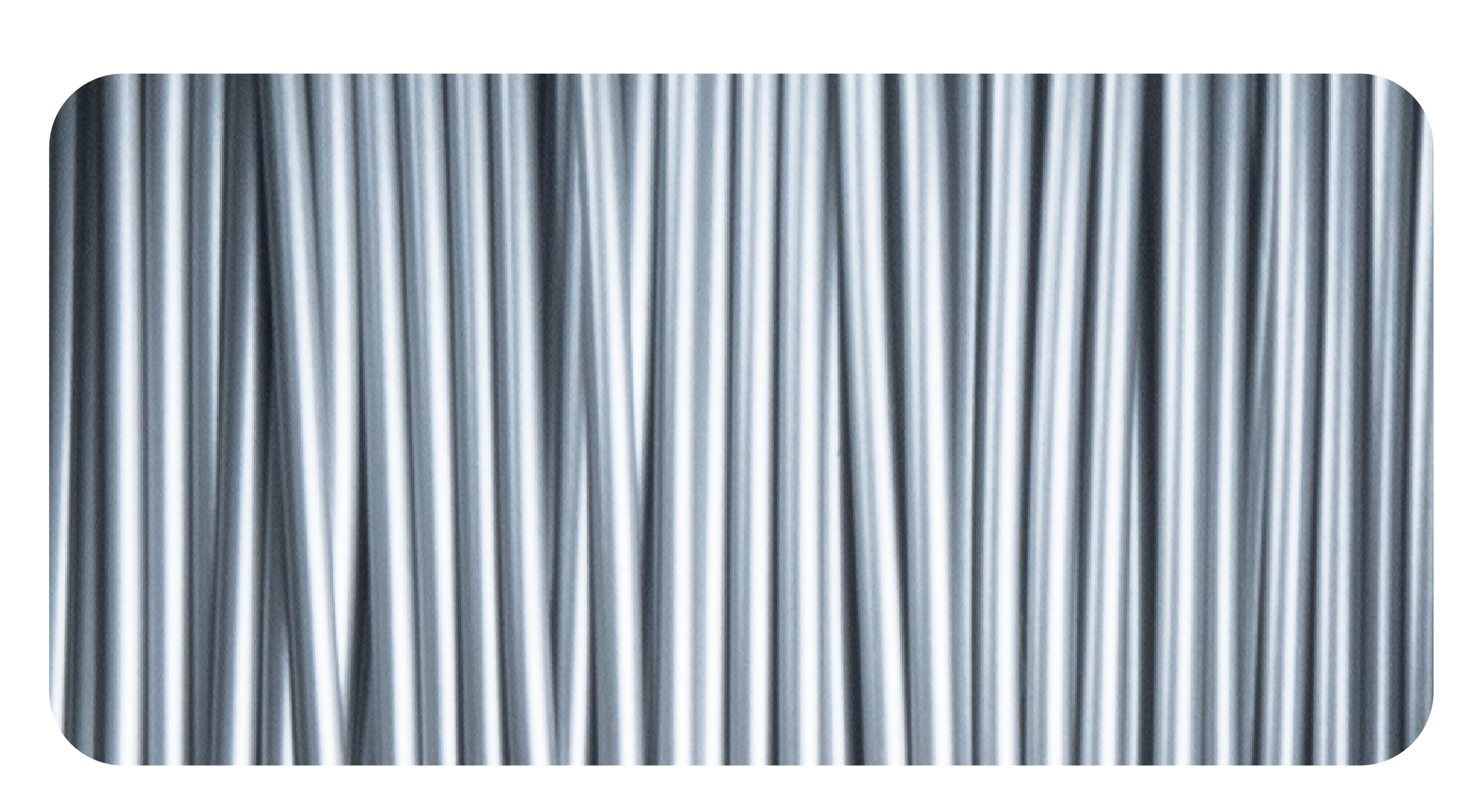
Metallic Silver Metallic Silver
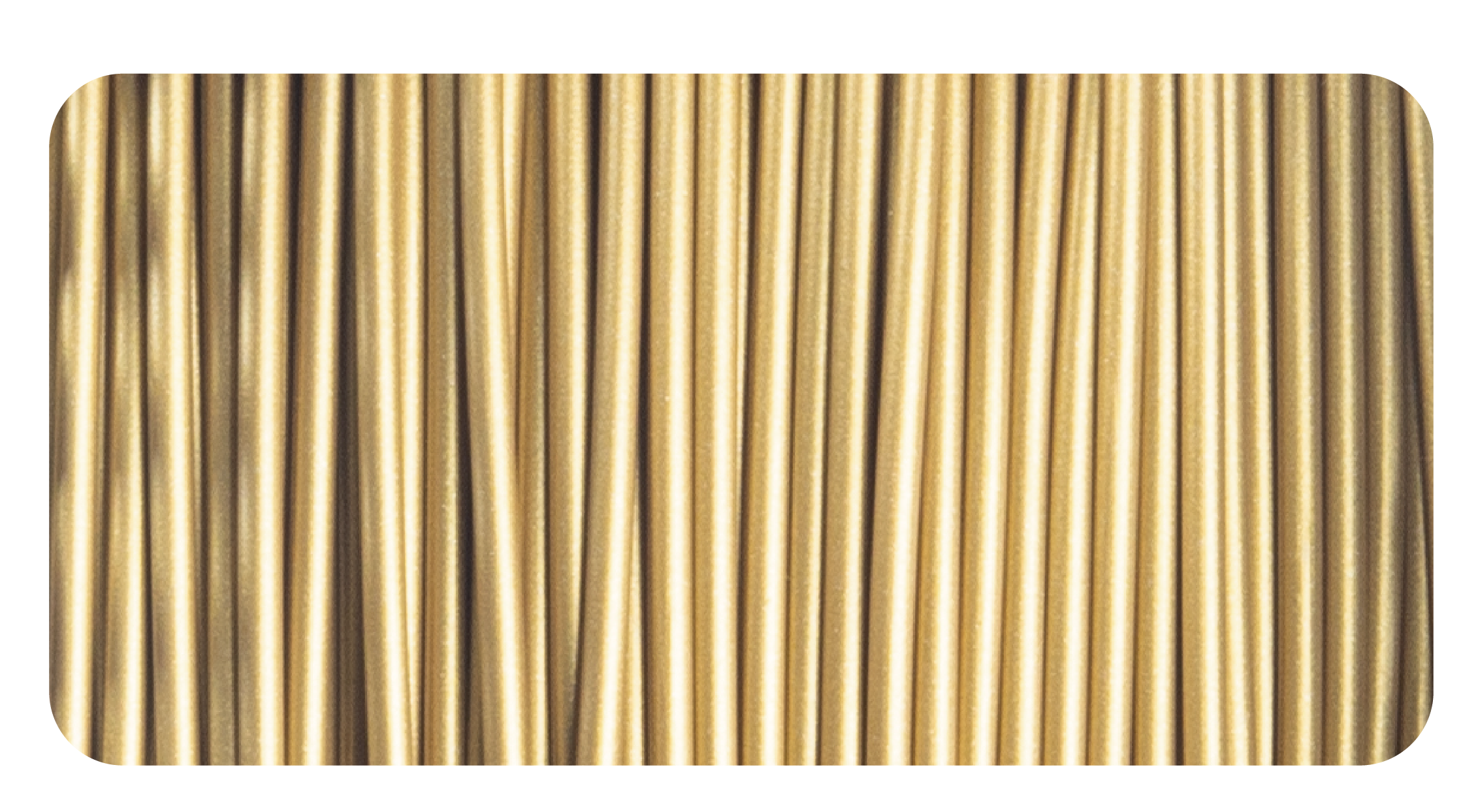
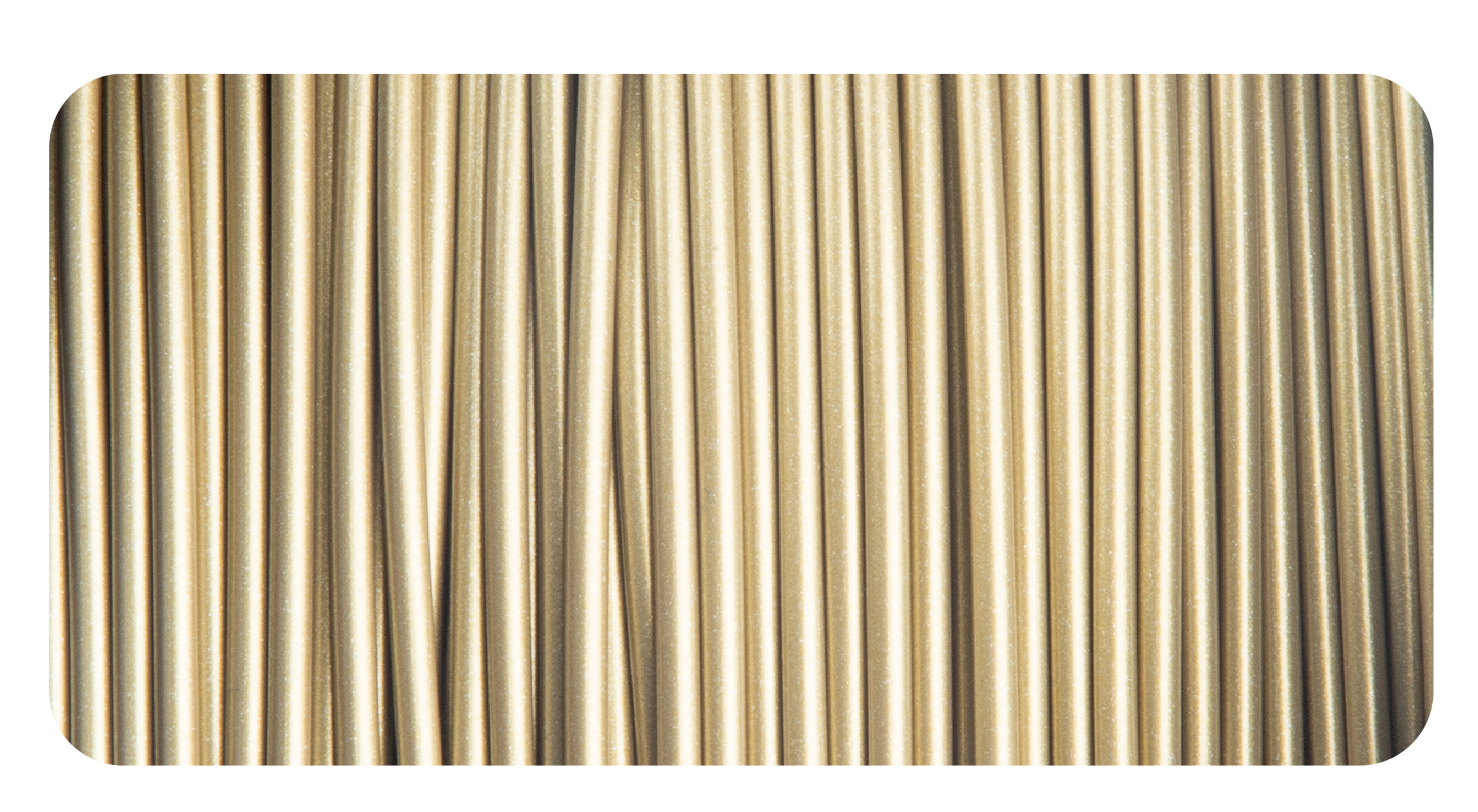
Champagne Gold Champagne Gold
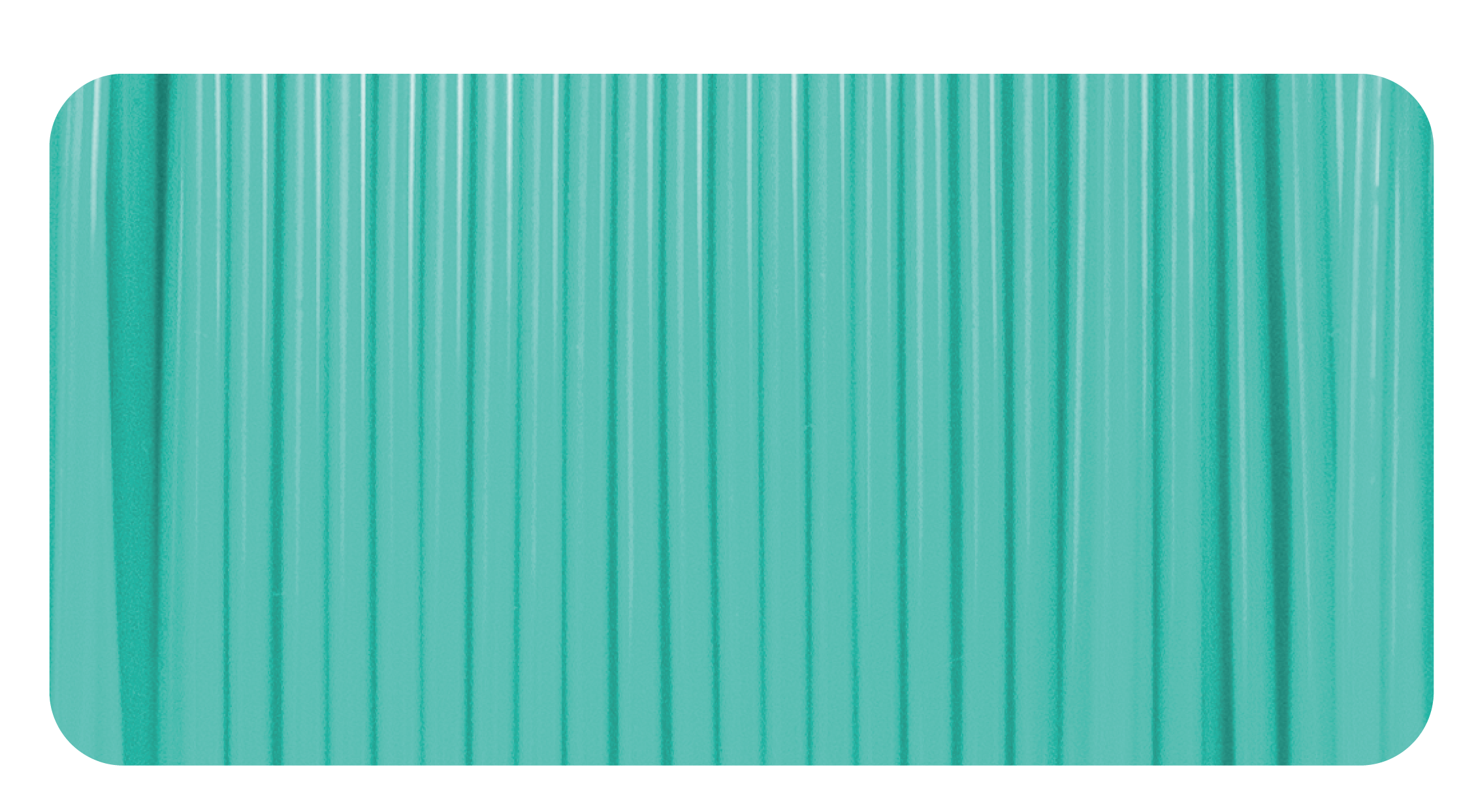
Mint Green Mint Green
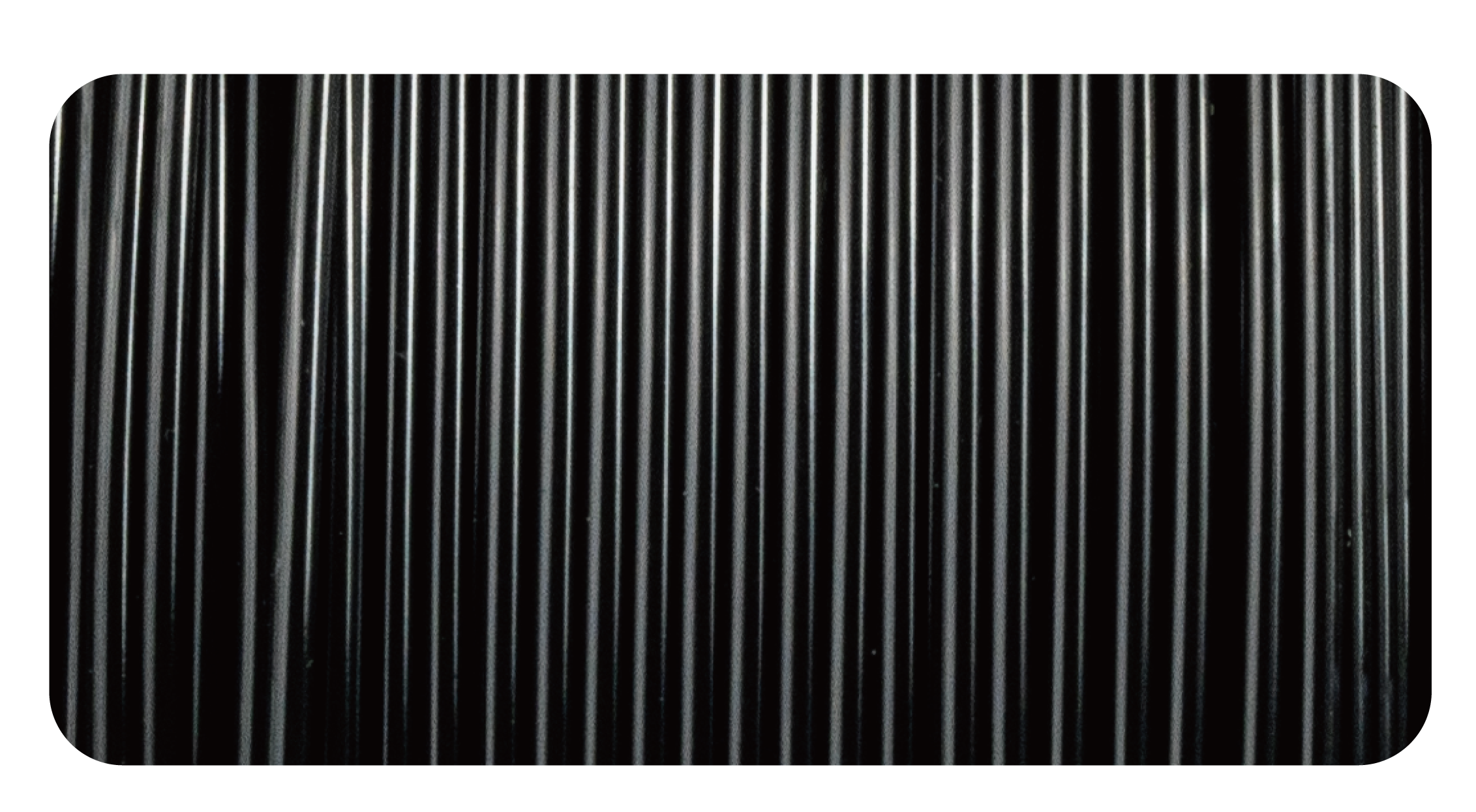
Black Black
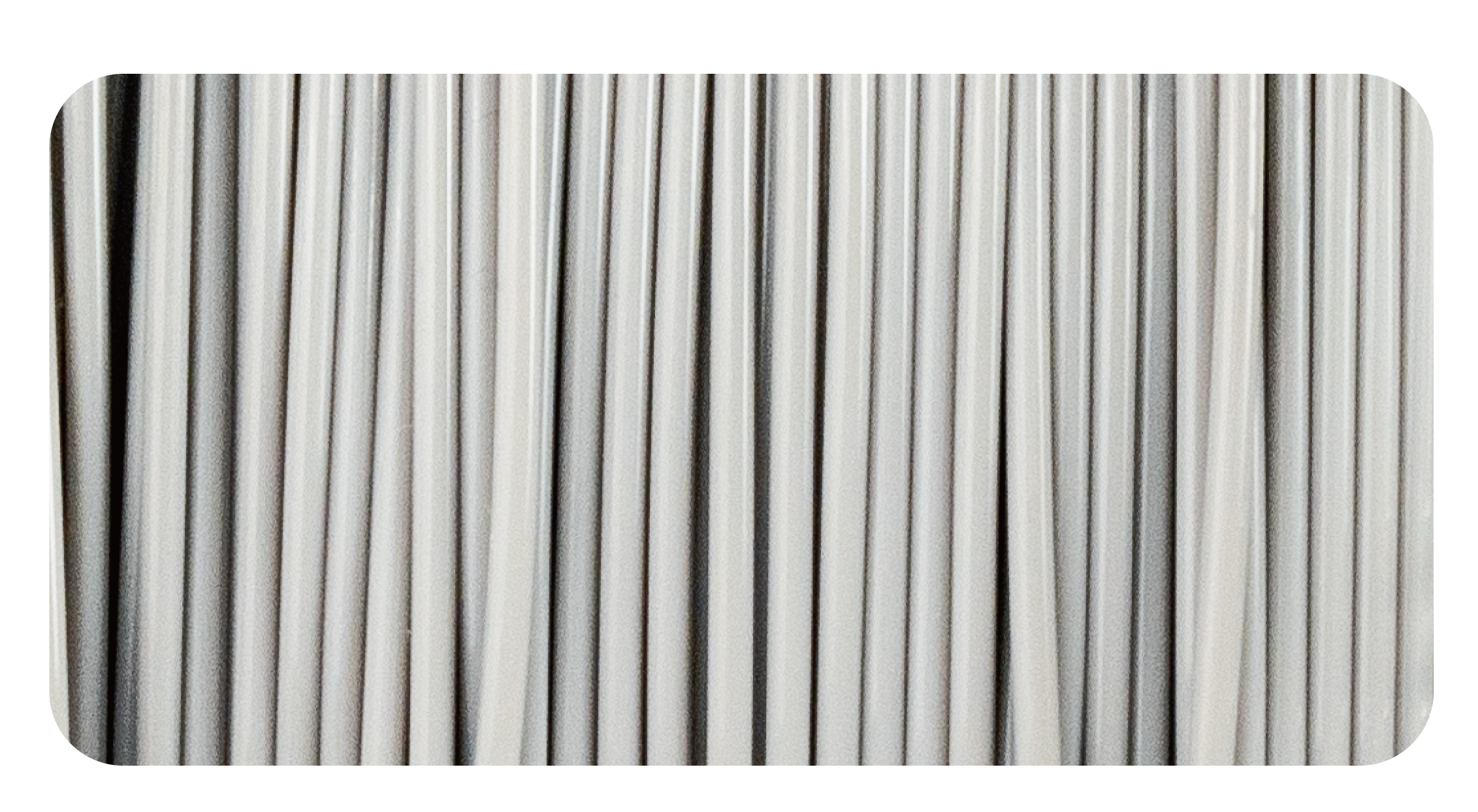
Light Gray Light Gray
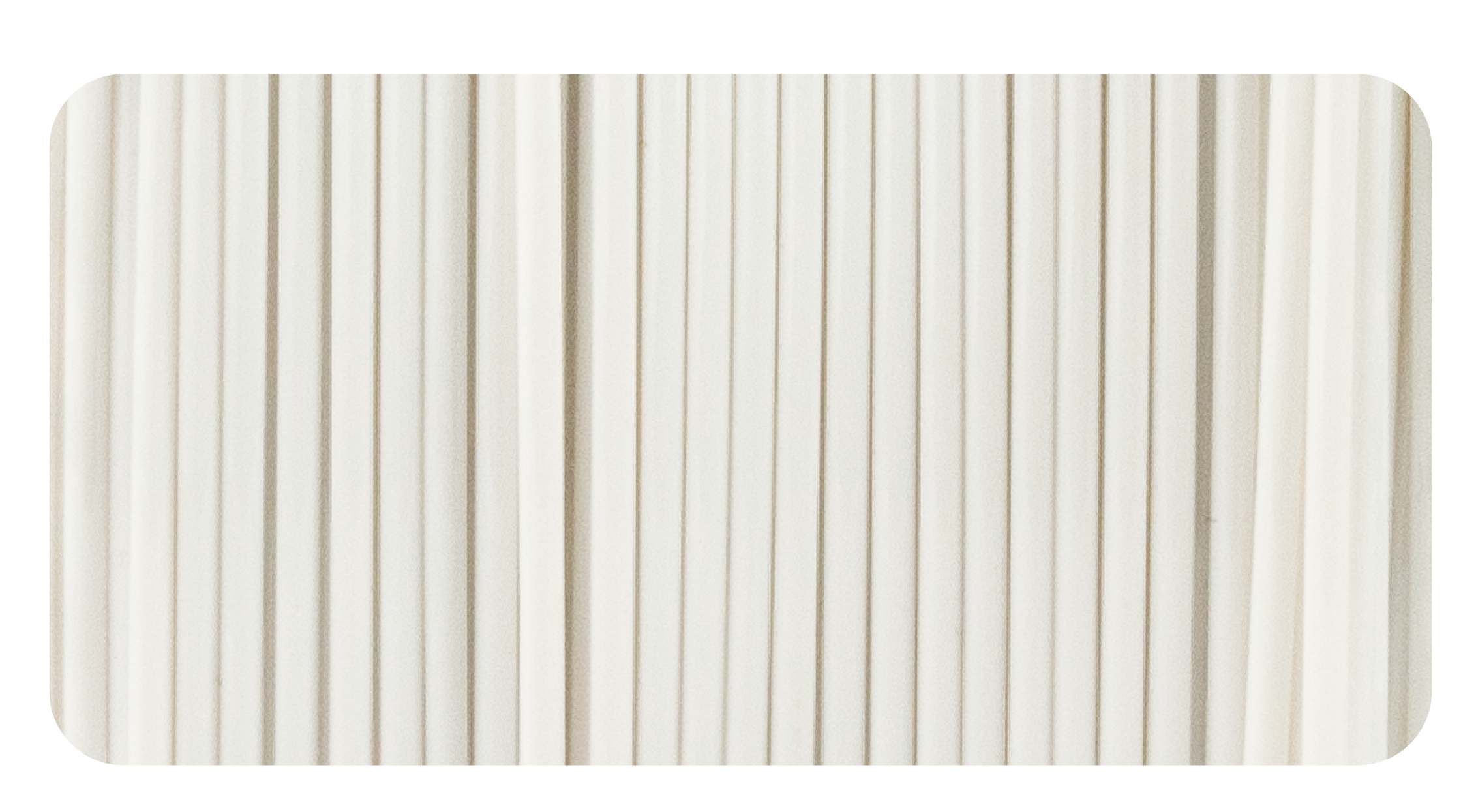
White White
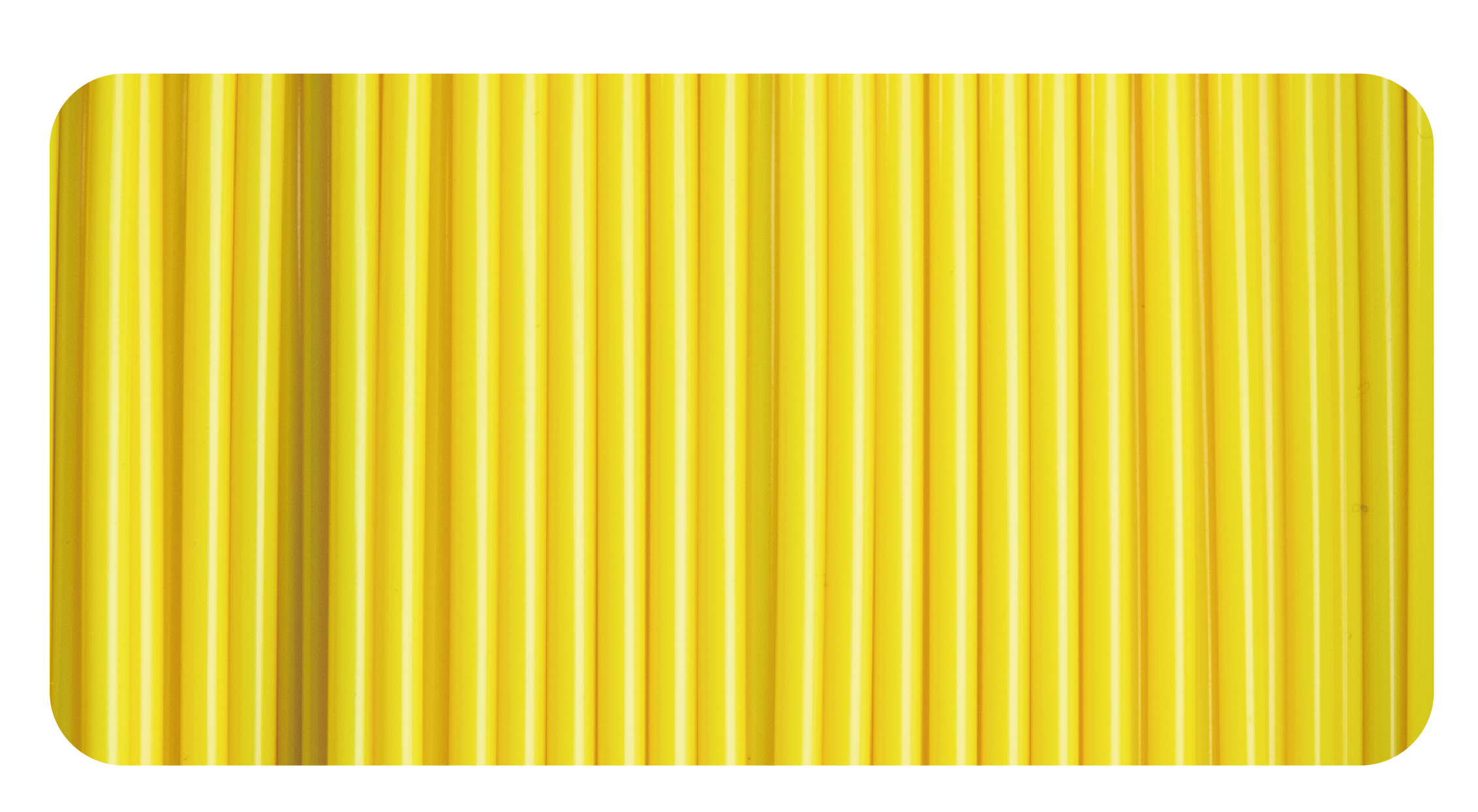
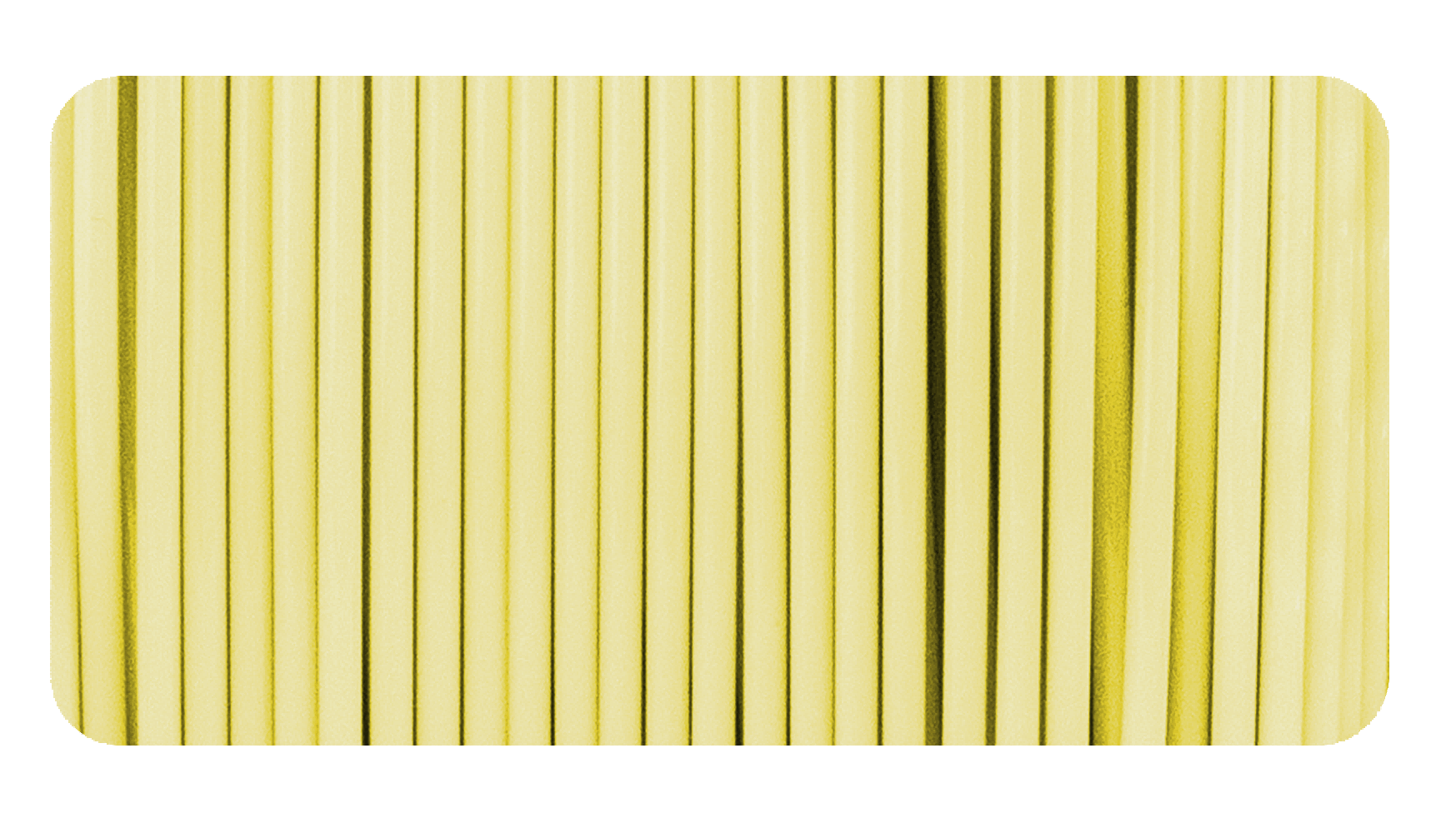
Yellow Yellow
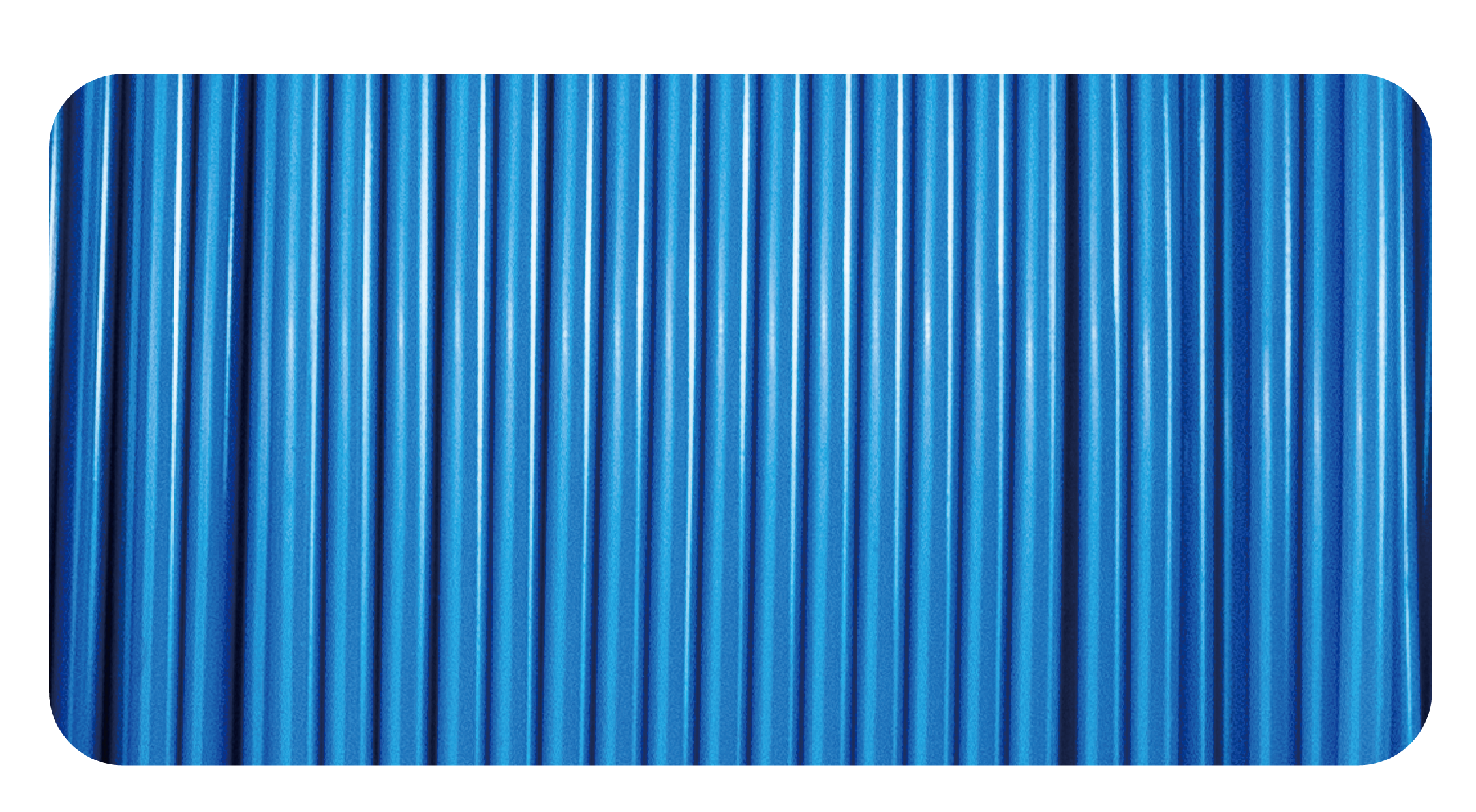
Cyan Cyan
Lake Blue Lake Blue
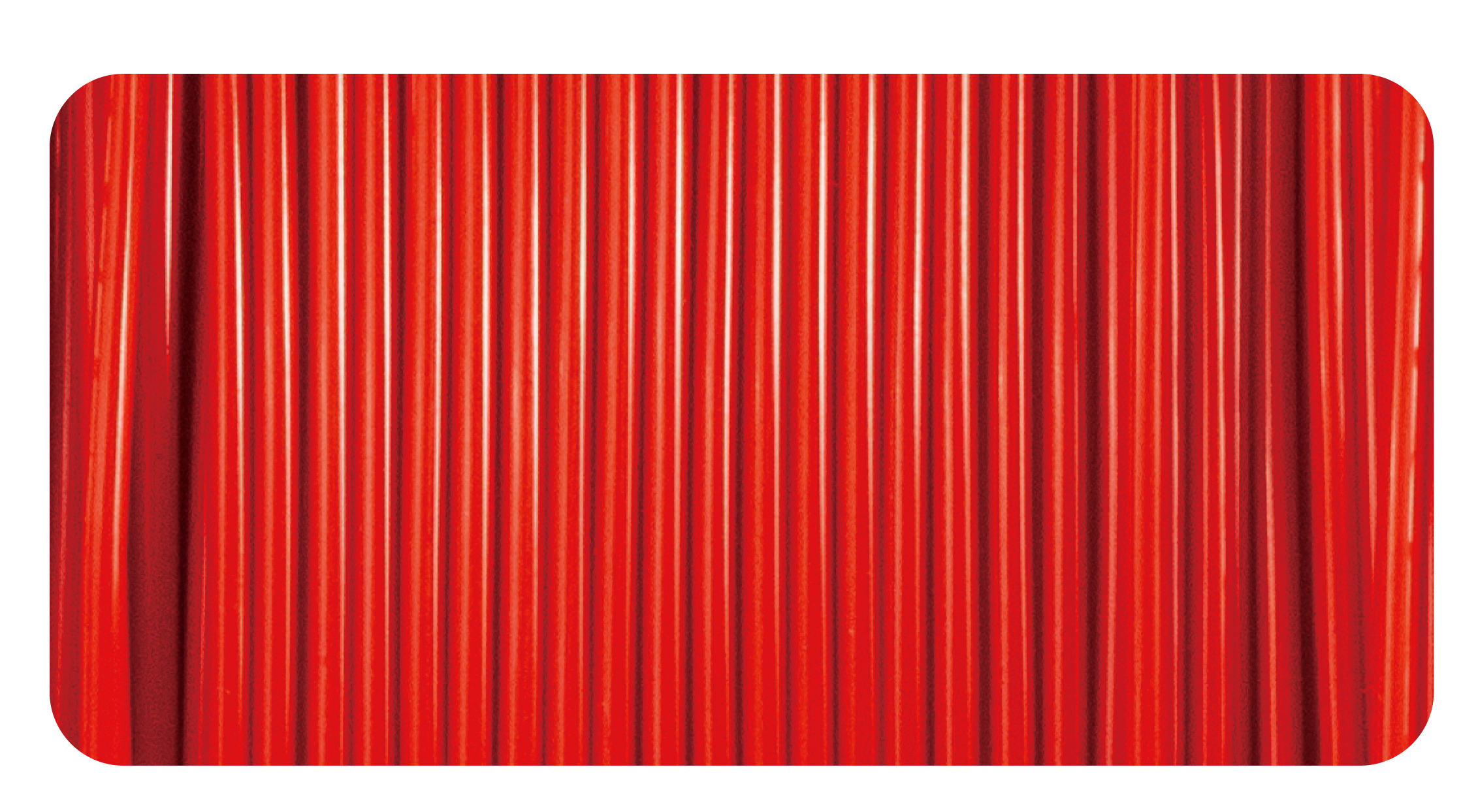
Bright Red Bright Red
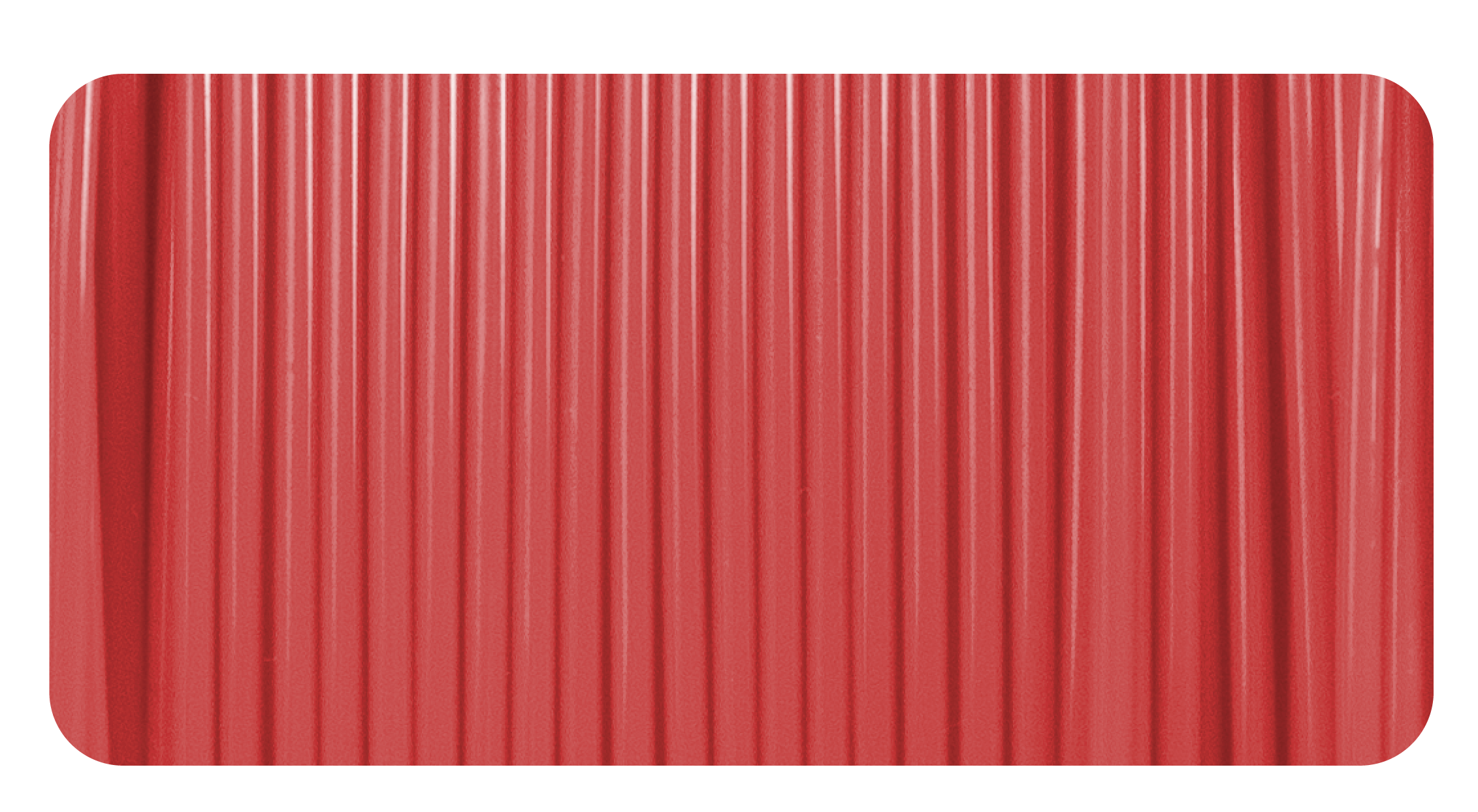
Cinnabar Red Cinnabar Red
Beige Beige
Black Nickel Black Nickel
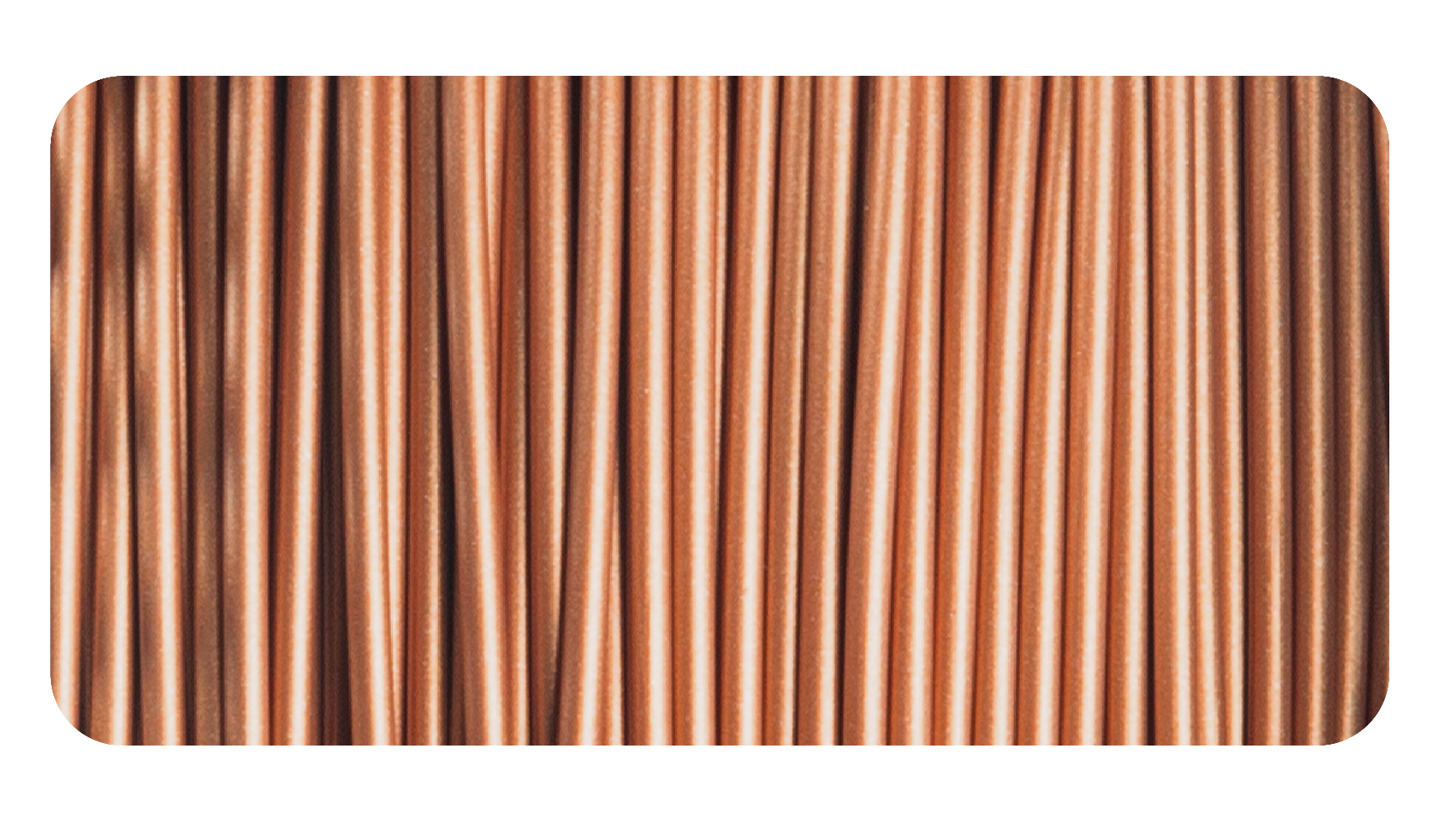
Copper Copper
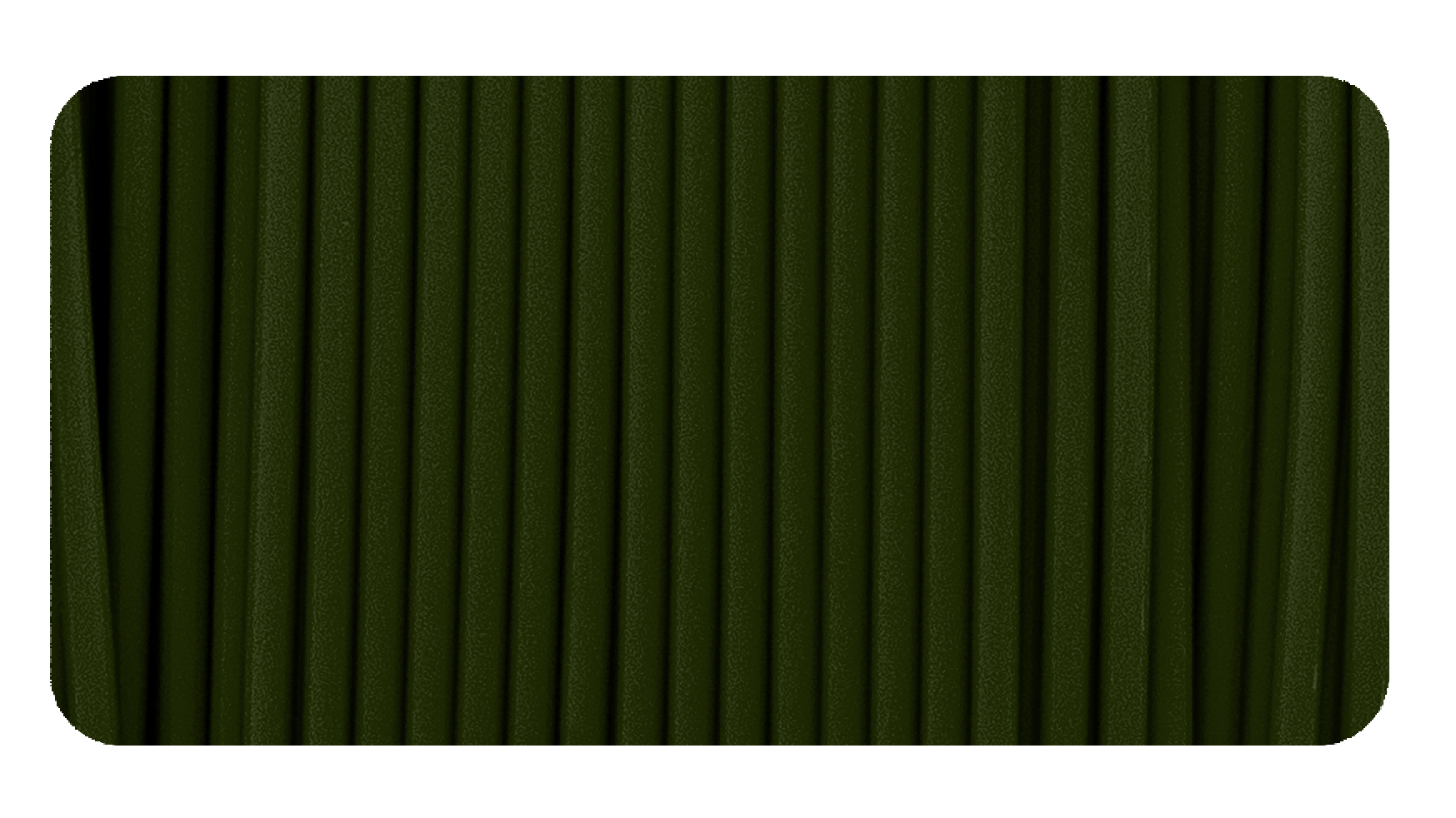
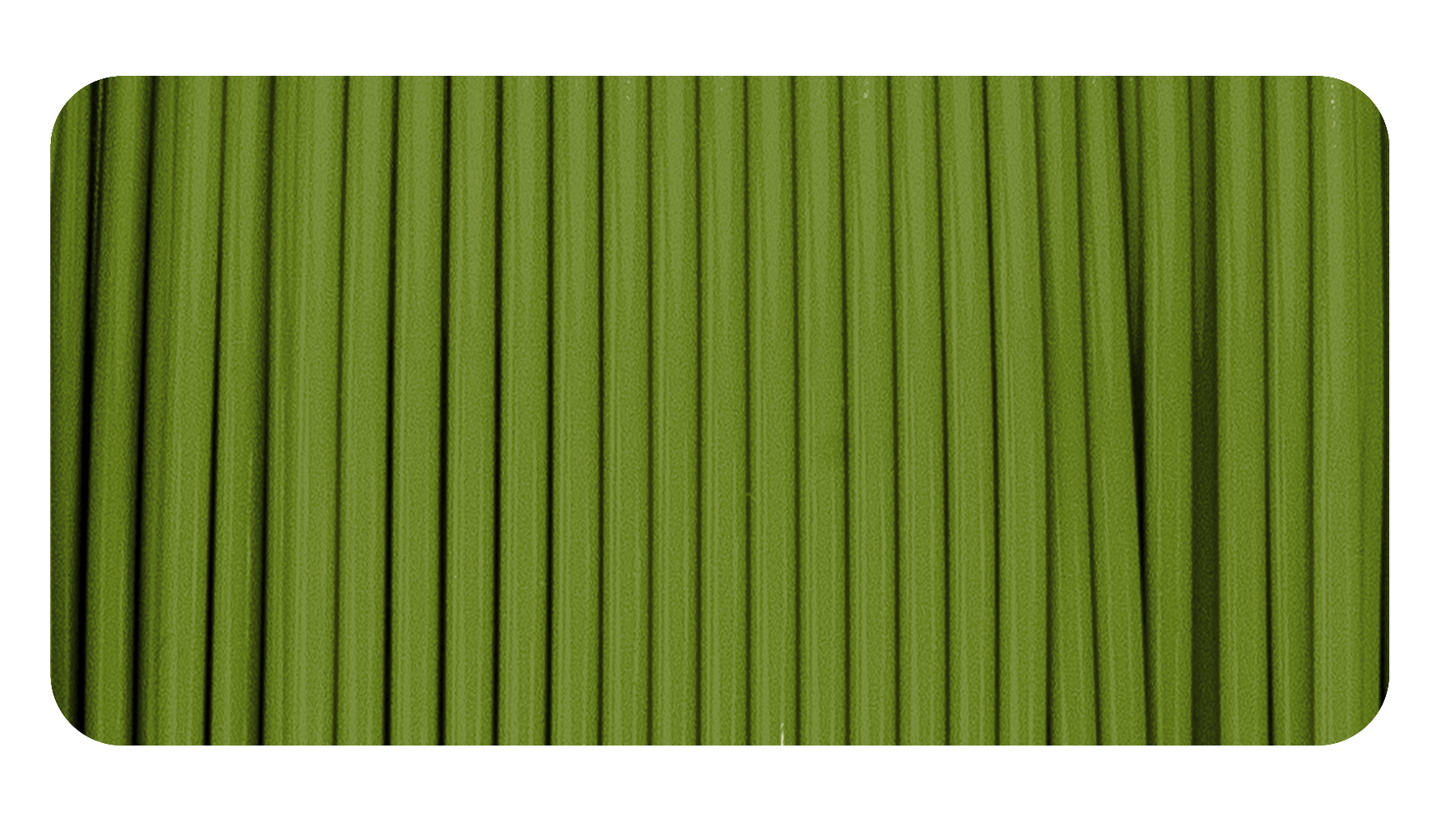
Olive Green Olive Green
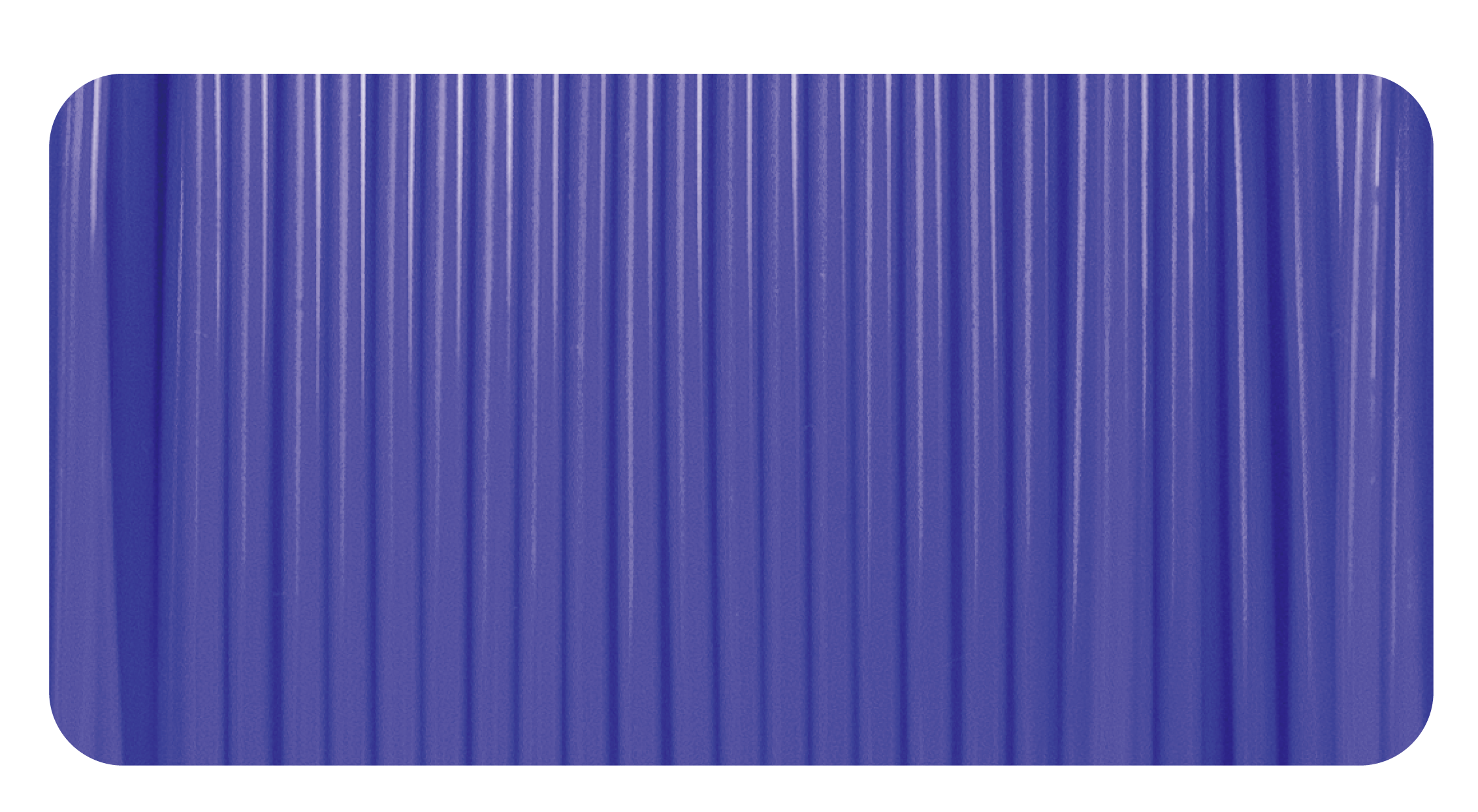
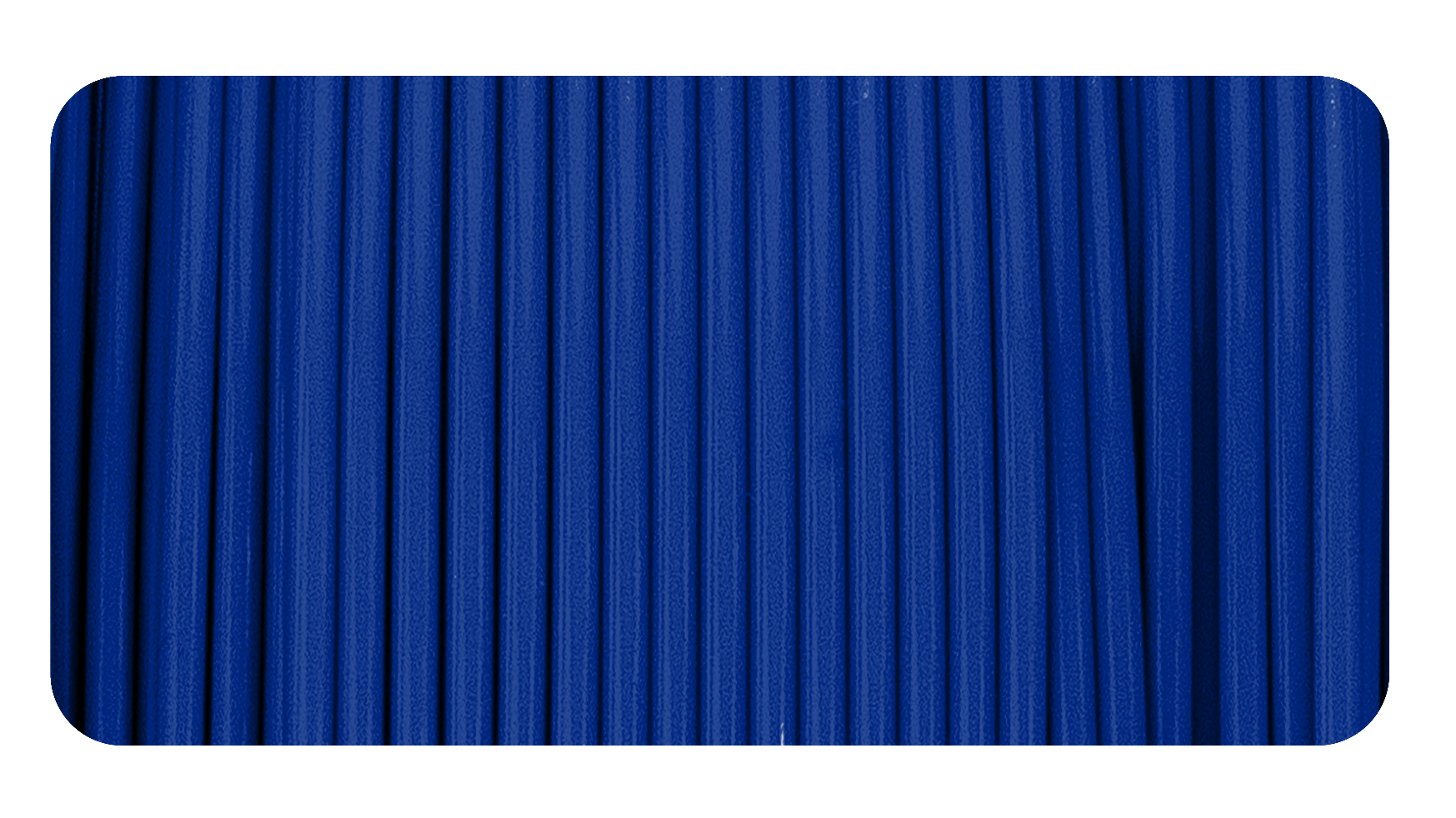
Klein Blue Klein Blue
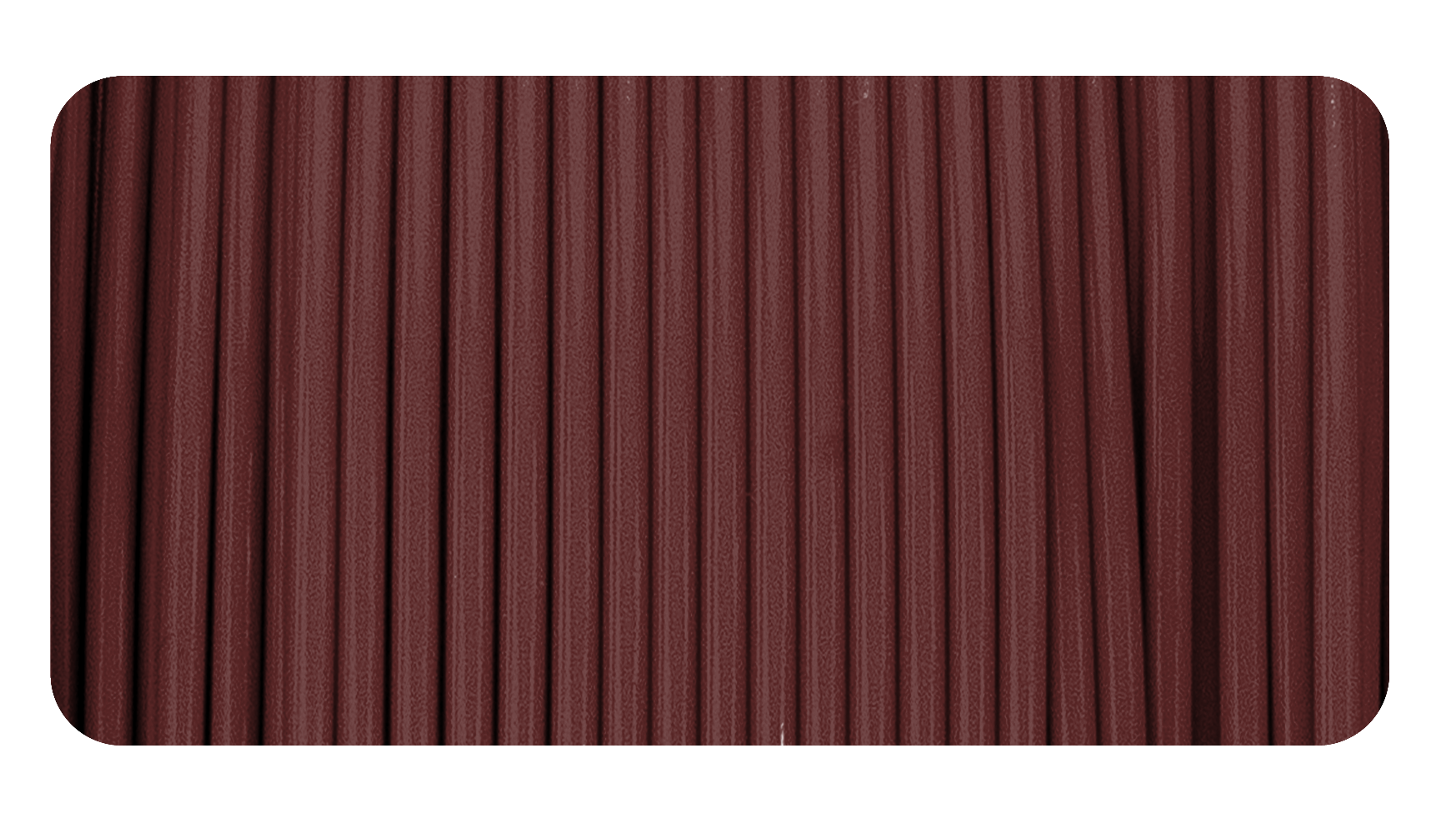
Red Wine Red Wine
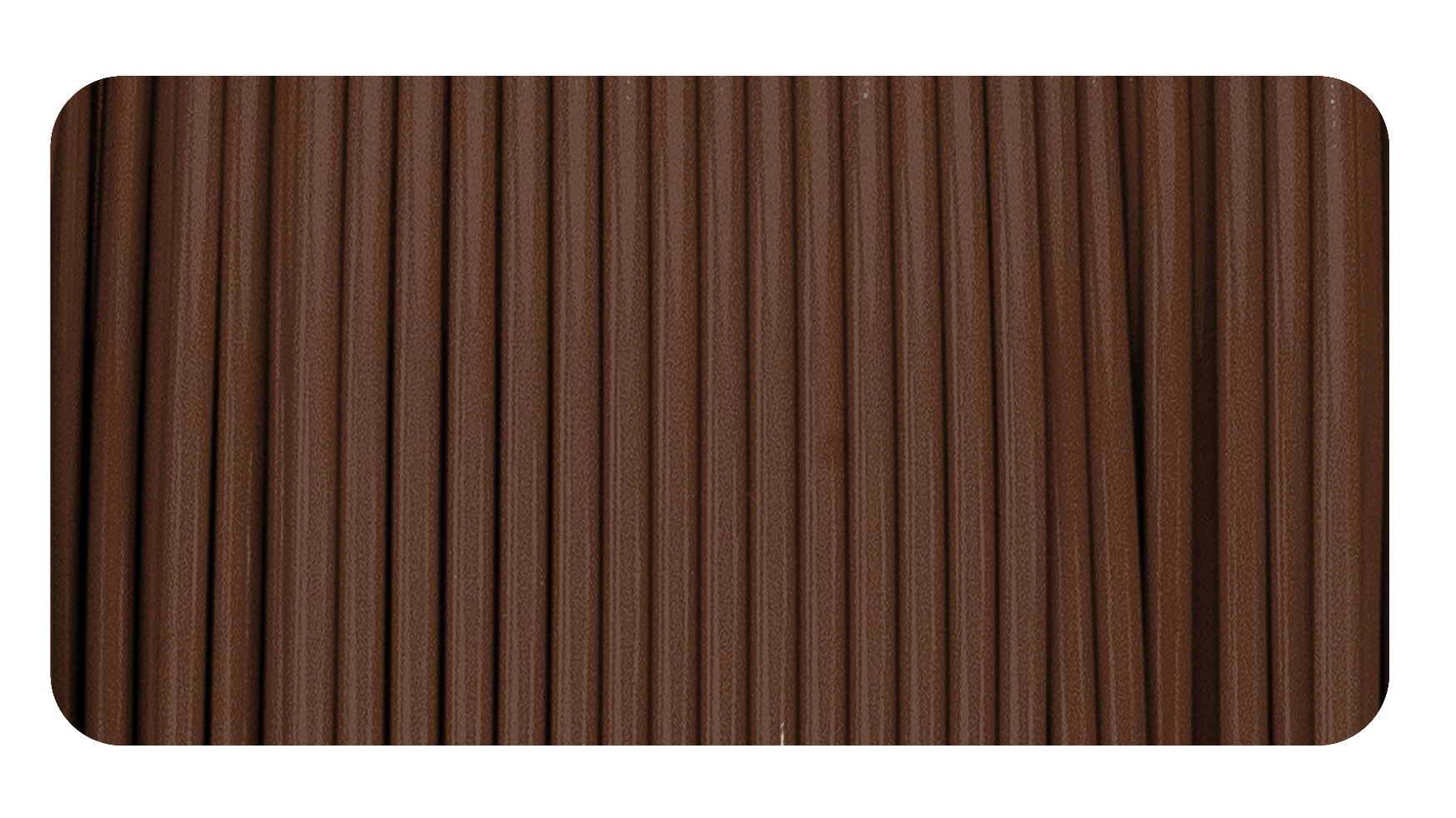
Coffee Color Coffee Color
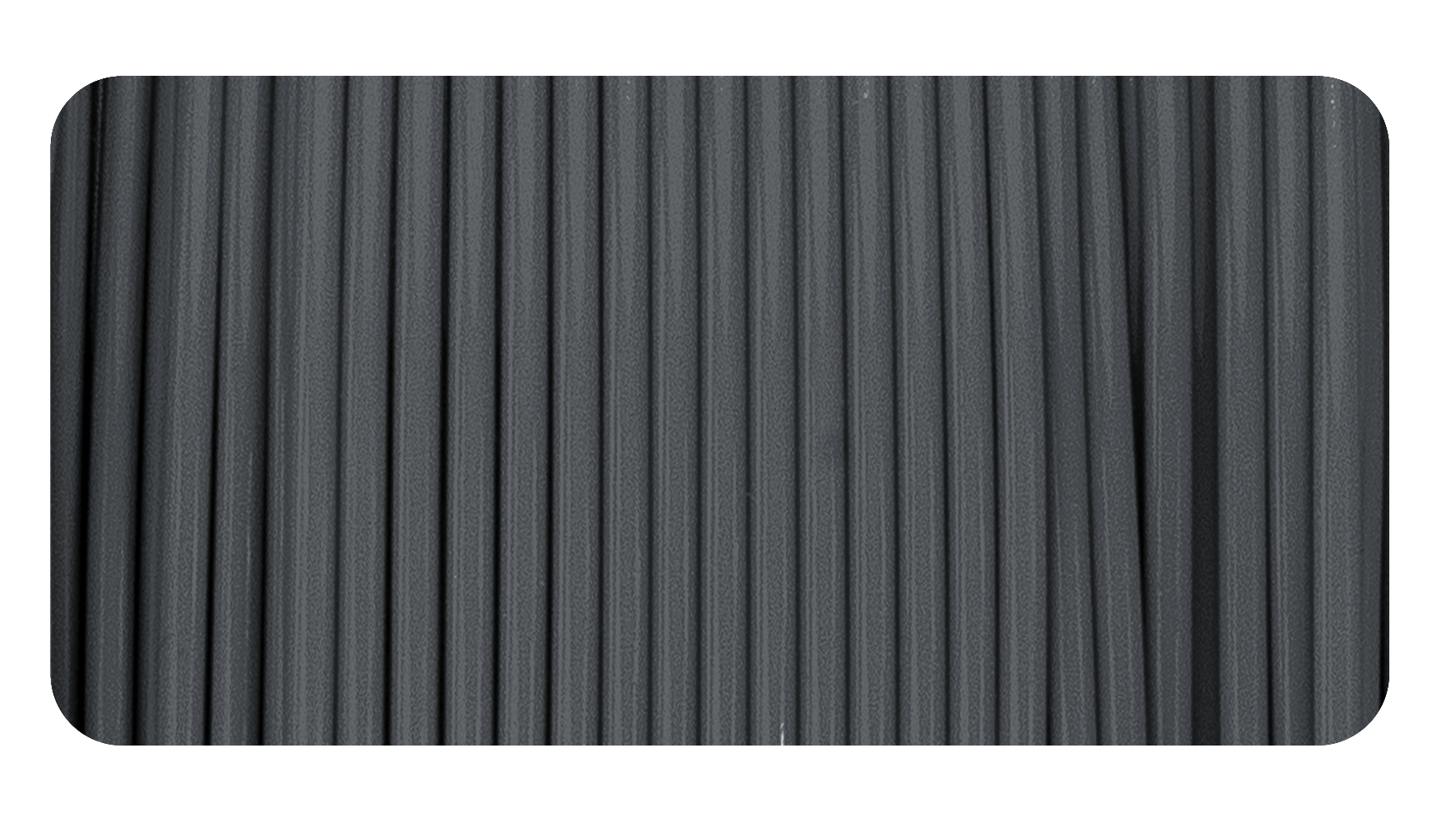
Dark Gray Dark Gray
Amber Gold Amber Gold
Red Copper Red Copper
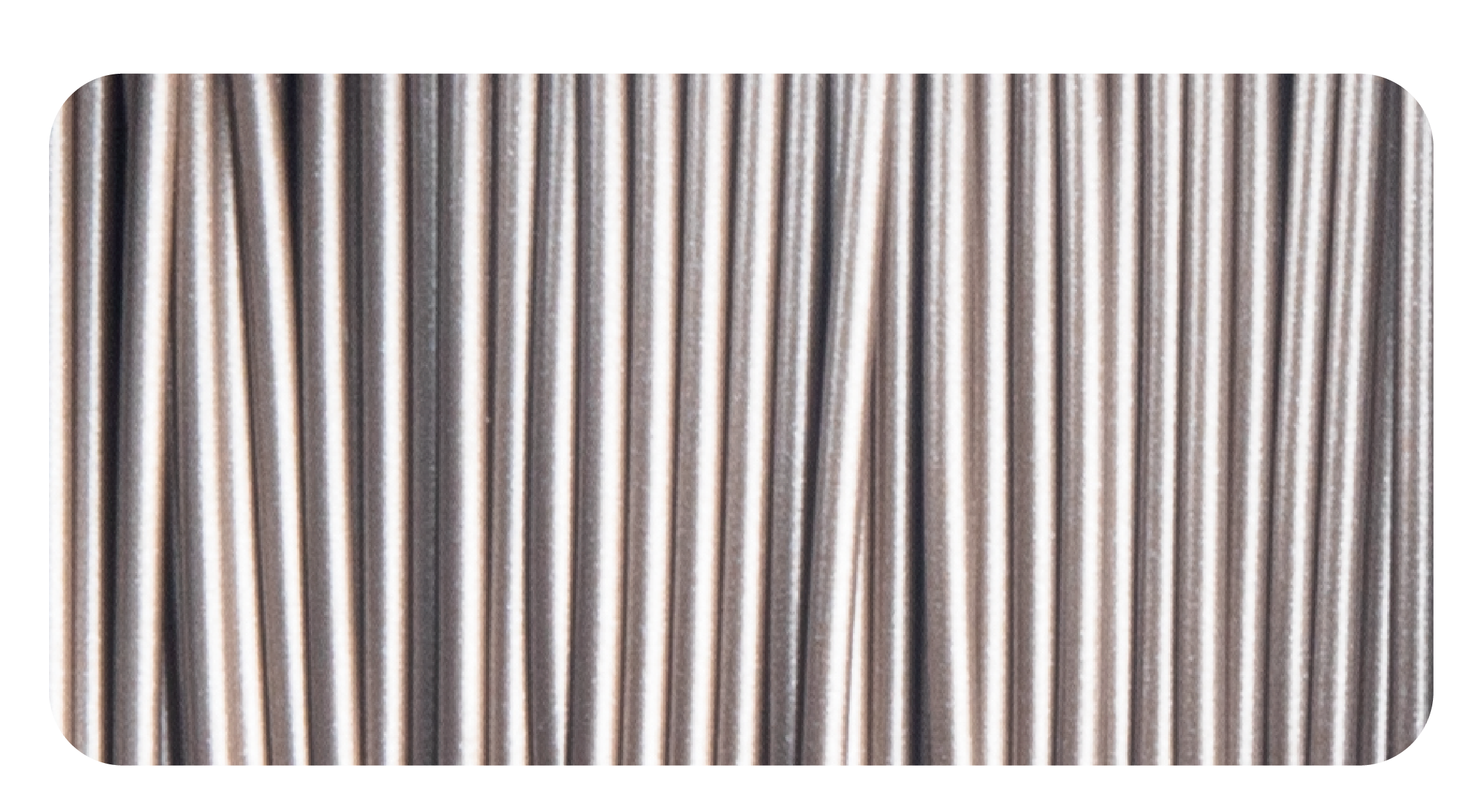
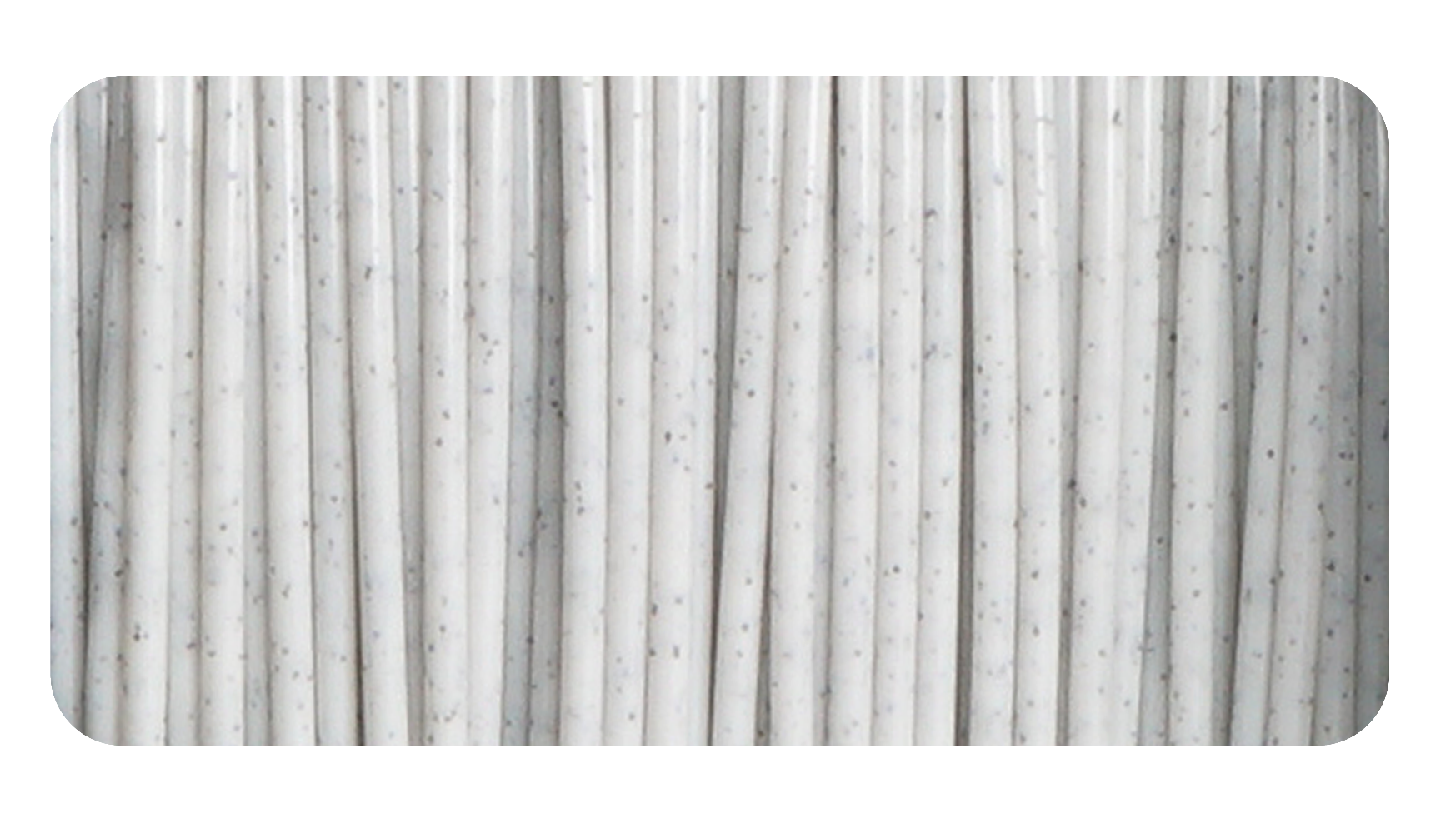
Marble PETG Marble PETG
PETG Printing Filaments are commonly used in 3D Printing. As a new type of 3D Printing Material, PETG shares advantages of PLA and ABS, whose printing products have good glossiness, high strength, low warping, smooth surfaces. What’s more, the products are not easy to break and almost no odor during printing.
It is important to note that each material has its unique Features and Application scopes, so users are advised to consider comprehensively based on specific requirements and printer models when choose to use it. Meanwhile, an appropriate settings and adjustment still need to be made according to Printer types and individual needs for the best printing effect when you use PETG Filaments.
Key Features
1 -
  • Support high speed printing:
    Supports fast printing without sacrificing molding quality, greatly shortening model forming time and improving your printing efficiency for mass production.
  • Good toughness:
    The finished printed parts feature outstanding flexibility and ductility, not easy to snap or crack under slight bending and twisting forces.
  • Impact-resistant:
    Exhibits excellent anti-collision performance; printed models can withstand moderate impact and drop shocks without breakage or chipping.
  • Good interlayer adhesion:
    Strong bonding force between each printed layer, effectively avoiding layer separation, delamination and weak joints to ensure integral structural strength of prints.
  • High color saturation:
    Vibrant, rich and uniform color presentation on finished prints, no faded or mottled surfaces, delivering delicate and high-fidelity color effects.
  • Easy to print
    Stable melting, no clogging. Low warpage, few adjustments needed for smooth printing.
Colors can be Customized for your requirement
Mechanical Properties
Property Testing Method Testing Condition Injection Molding Typical Value 3D Printing X-Y Axis Typical Value 3D Printing  Z Axis Typical Value Unit
Tensile Strength ISO 527 50mm/min 52.5 45.2 ± 4 37.6 ± 4 MPa
Elongation at Break ISO 527 50mm/min 66.7 11.4 ± 1.8 1.7 ± 0.5 %
Tensile Modulus ISO 527 50mm/min 1668 1720 ± 100 1711 ± 100 MPa
Flexural Strength ISO 178 2mm/min 76.2 68.7 ± 6.5 61.8 ± 6.5 MPa
Flexural Modulus ISO 178 2mm/min 2280 1967 ± 100 1901 ± 100 MPa
Charpy Impact Strength ISO 179 23℃ NB 25 ± 3.5 10.5 ± 2 KJ/m²
Izod Impact Strength ISO 180 23℃ NB 29.8 ± 3.5 7.7 ± 2 KJ/m²

Physical Properties
Property Testing Method Testing Condition Typical Value Unit
Density ISO 1183 Immersion 1.26 g/cm3
Melt Flow index(MFR) ISO 1133 240℃  2.16kg 10.0 g/10 min

Moisture Absorption
Property Testing Method Testing Condition Injection Molding Typical Value 3D Printing Typical Value Unit
Moisture Absorption ISO 62 50%RH*23℃ 0.06 0.05 %

Chemical Properties
Property Testing Result
Weak Acid Resistance Not Resistant
Strong Acid Resistance Not Resistant
Weak Base Resistance Not Resistant
Strong Base Resistance Not Resistant
Organic Solution Resistance Not Resistant

Thermal Properties
Property Testing Method Testing Condition Injection Molding Typical Value 3D Printing X-Y Axis Typical Value 3D Printing Z Axis Typical Value Unit
Glass Transition Temperature DSC 10℃/min 81.6
Decomposition Temperature TGA 20℃/min 387.5
Heat Distortion Temperature ISO 75 0.45MPa 71.8 74.8 72.9
Heat Distortion Temperature ISO 75 1.8MPa 63.8 69.8 67.6
Vicat Softening Temperature ISO 306 50℃/10N 79.7 78.0 77.3

Recommended 3D Printing Parameters 
*Based on 0.4 mm nozzle. Printing conditions may vary with different nozzle diameters
Printing Temperature 240 – 260 (℃) 
Bed Temperature 70 - 80 (℃)
Wall Layers 2 Layers
Top and Bottom Layers 4 Layers
Infill 100%
Ambient Temperature 25℃
Cooling Fan 0 - 10%
Printing Speed 30 50 (mm/s)
Nozzle Diameter 0.4 mm

 3DPrinting Actual Parameters  
*All specimens must be left at room temperature for 24 hours before testing. The parameters are based on the Bambulab PES 3D printer.
Printing Temperature 250 (℃)
Bed Temperature 80 (℃)
Wall Layers 2 Layers
Top and Bottom Layers 4 Layers
Infill 100%
Ambient Temperature 25℃
Cooling Fan 10%
Printing Speed 50 (mm/s)
Nozzle Diameter 0.4 mm
Inquiry